Obiettivi formativi
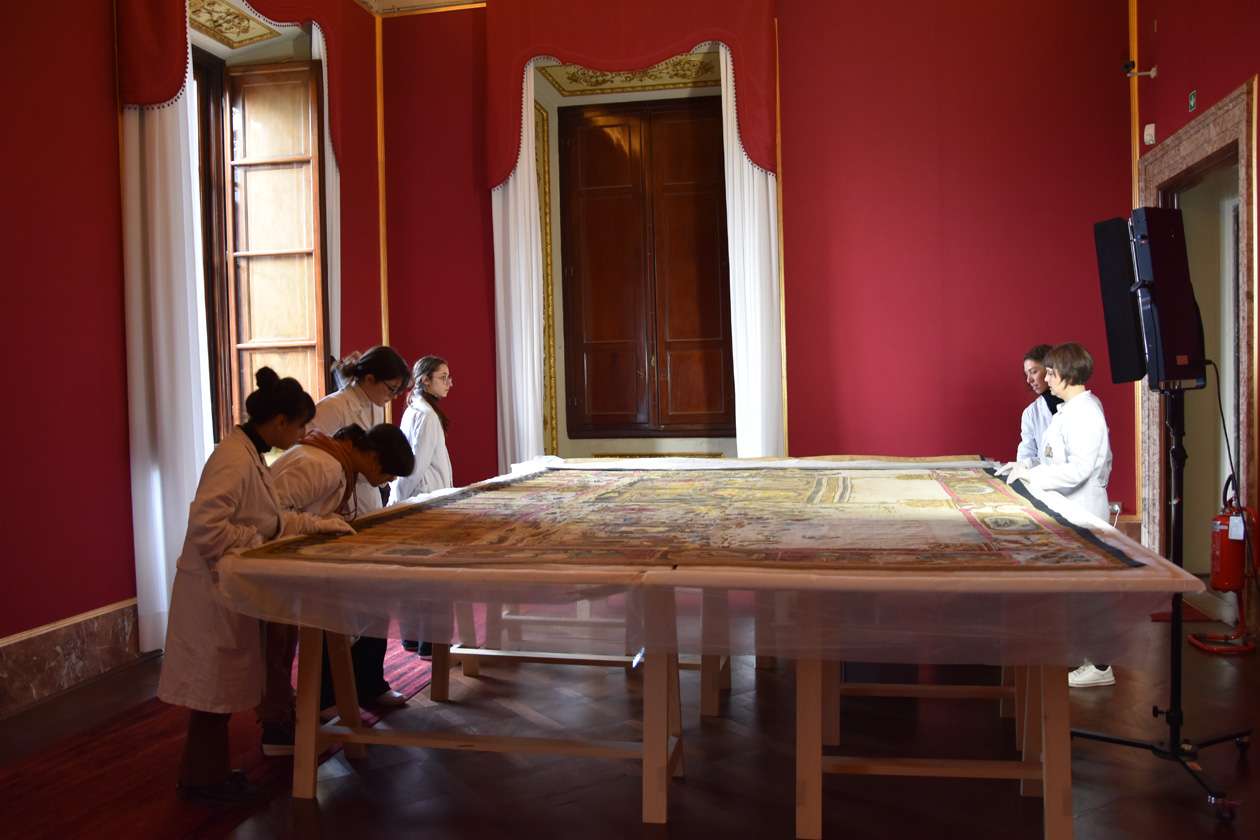
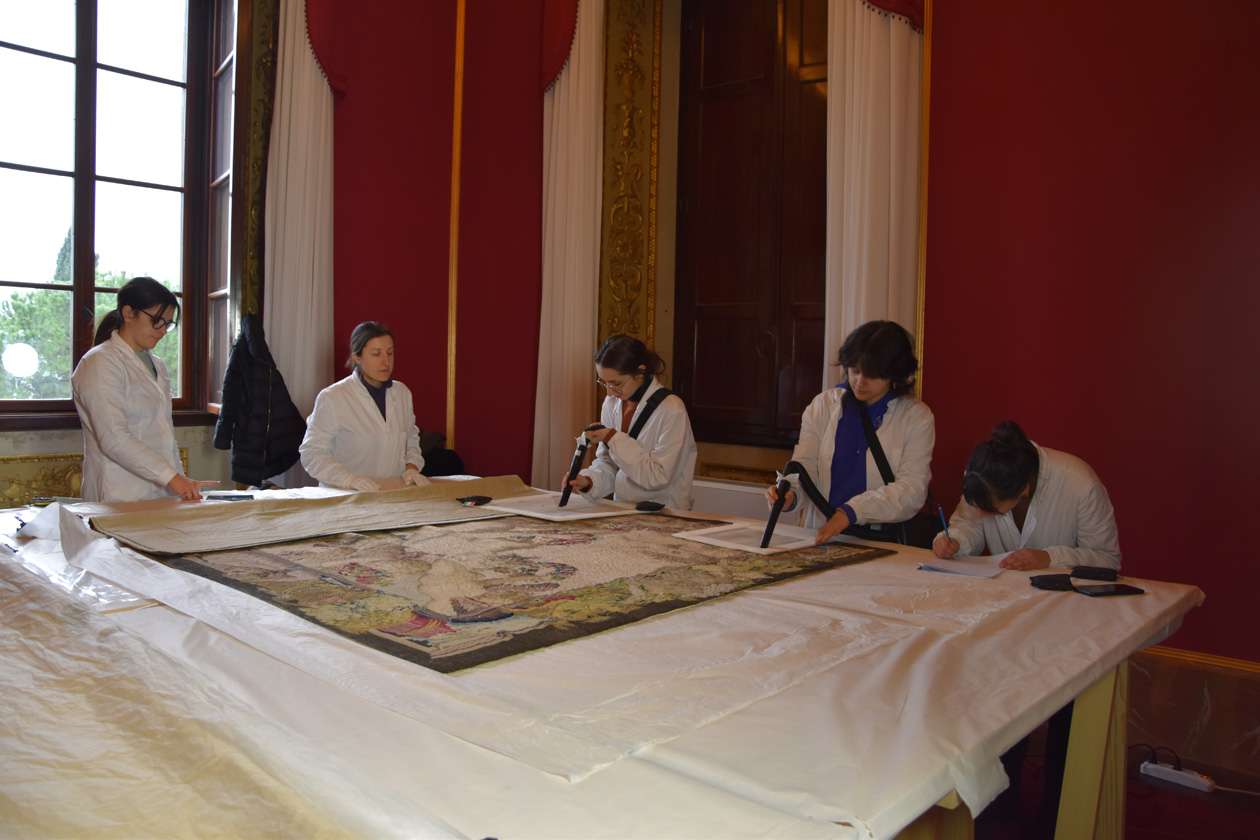
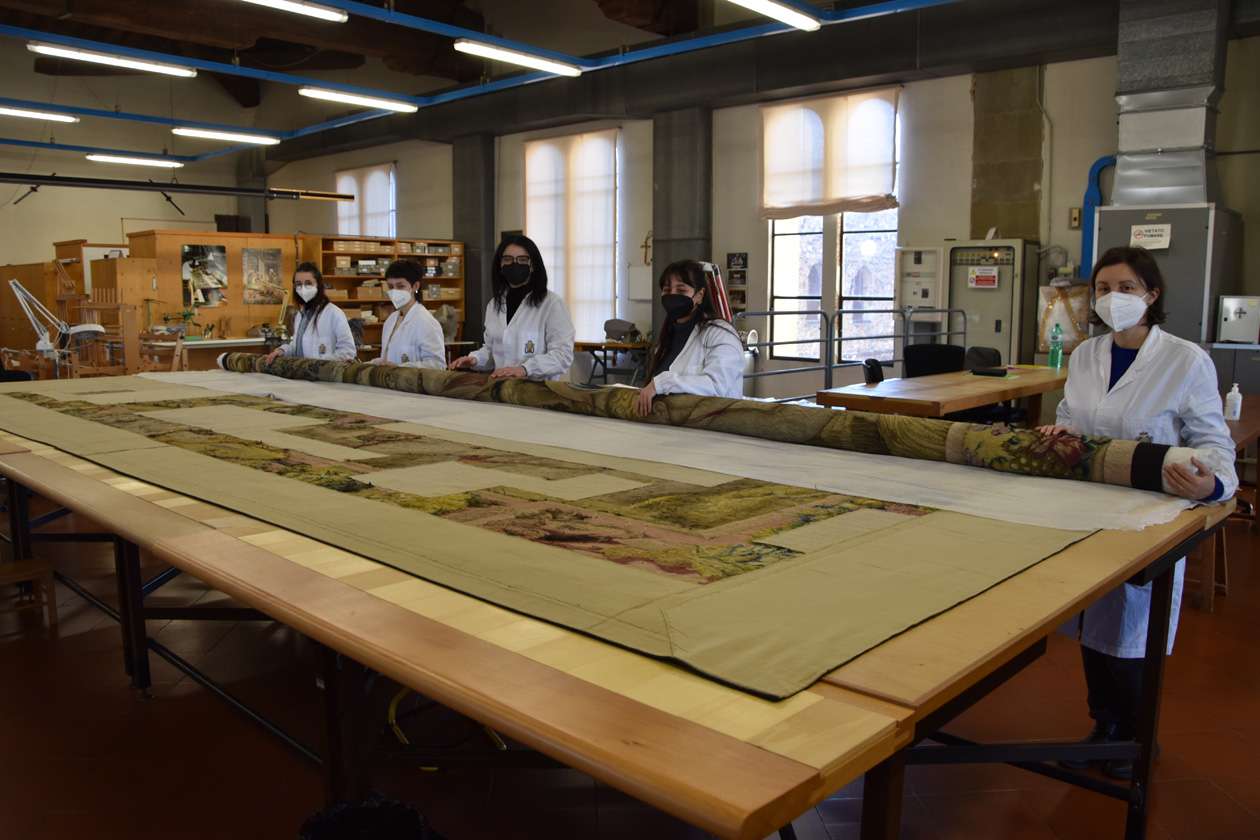
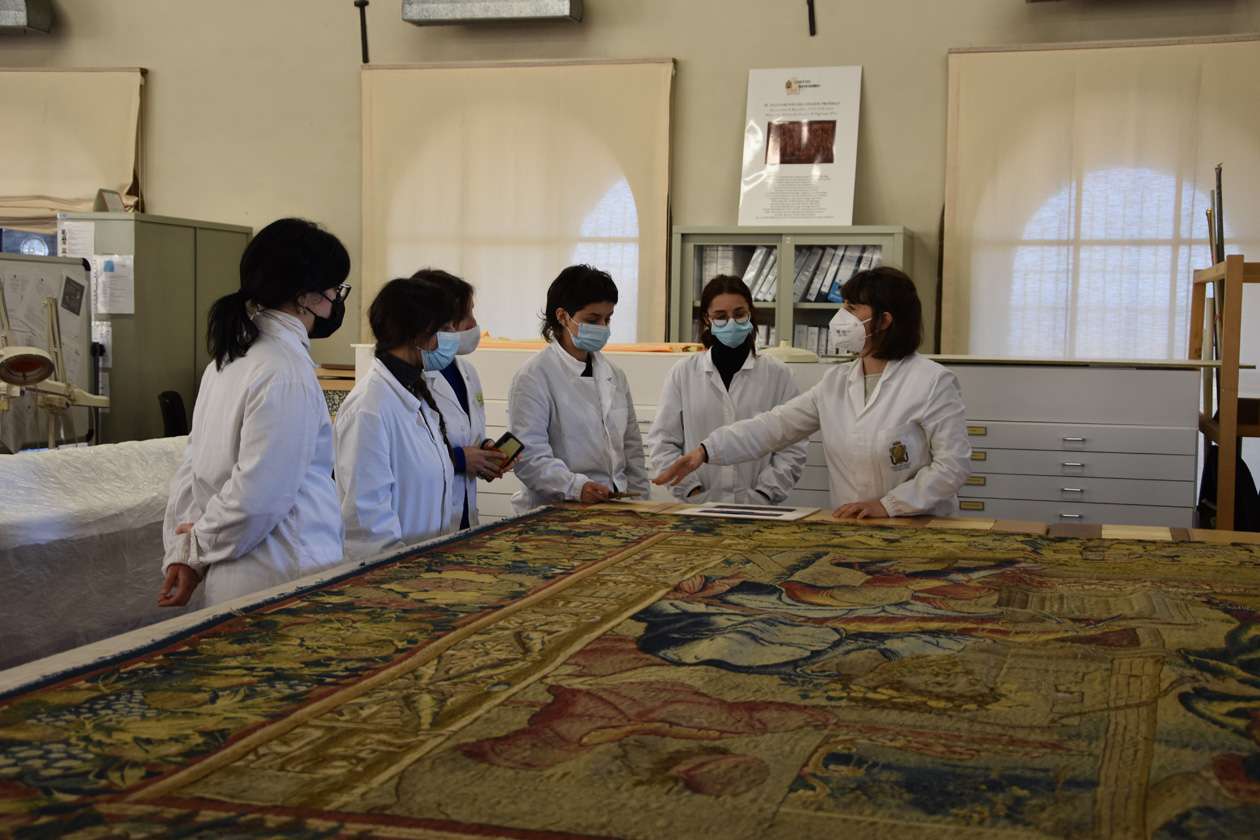
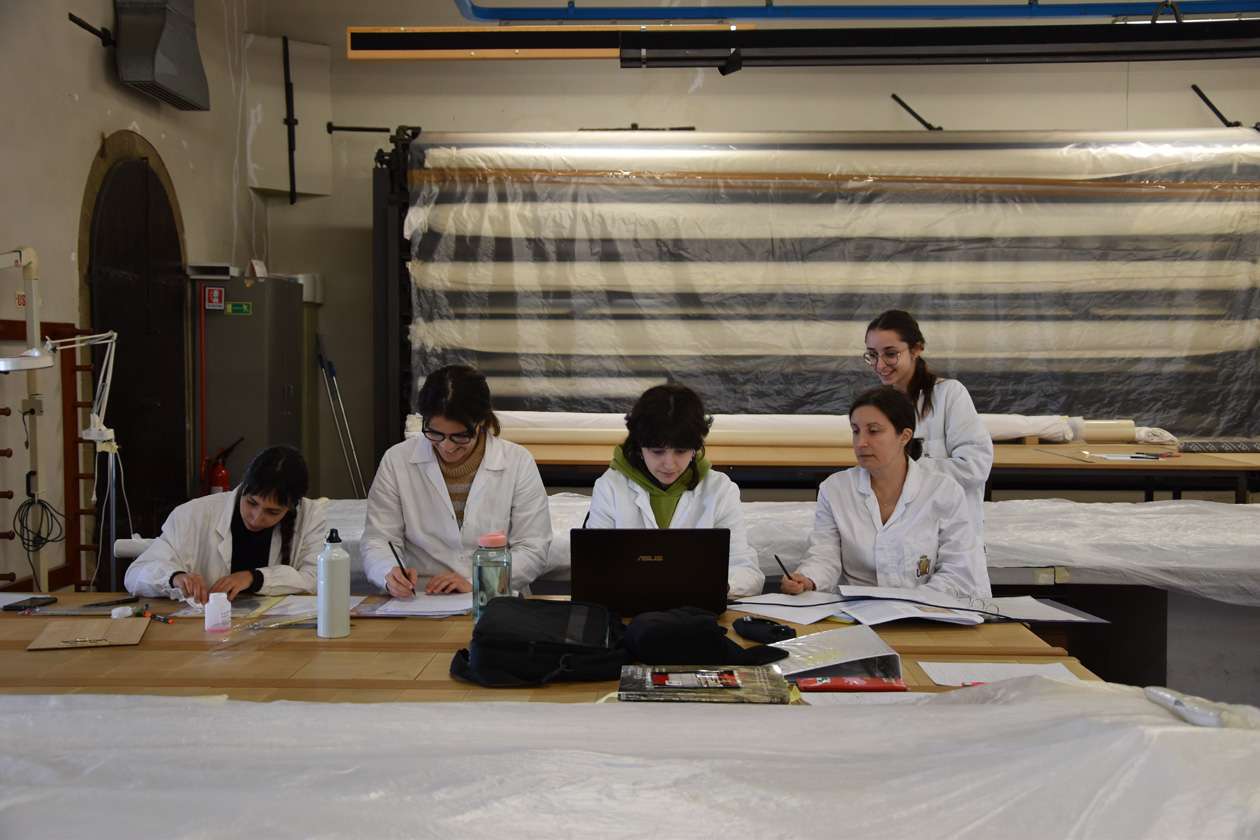
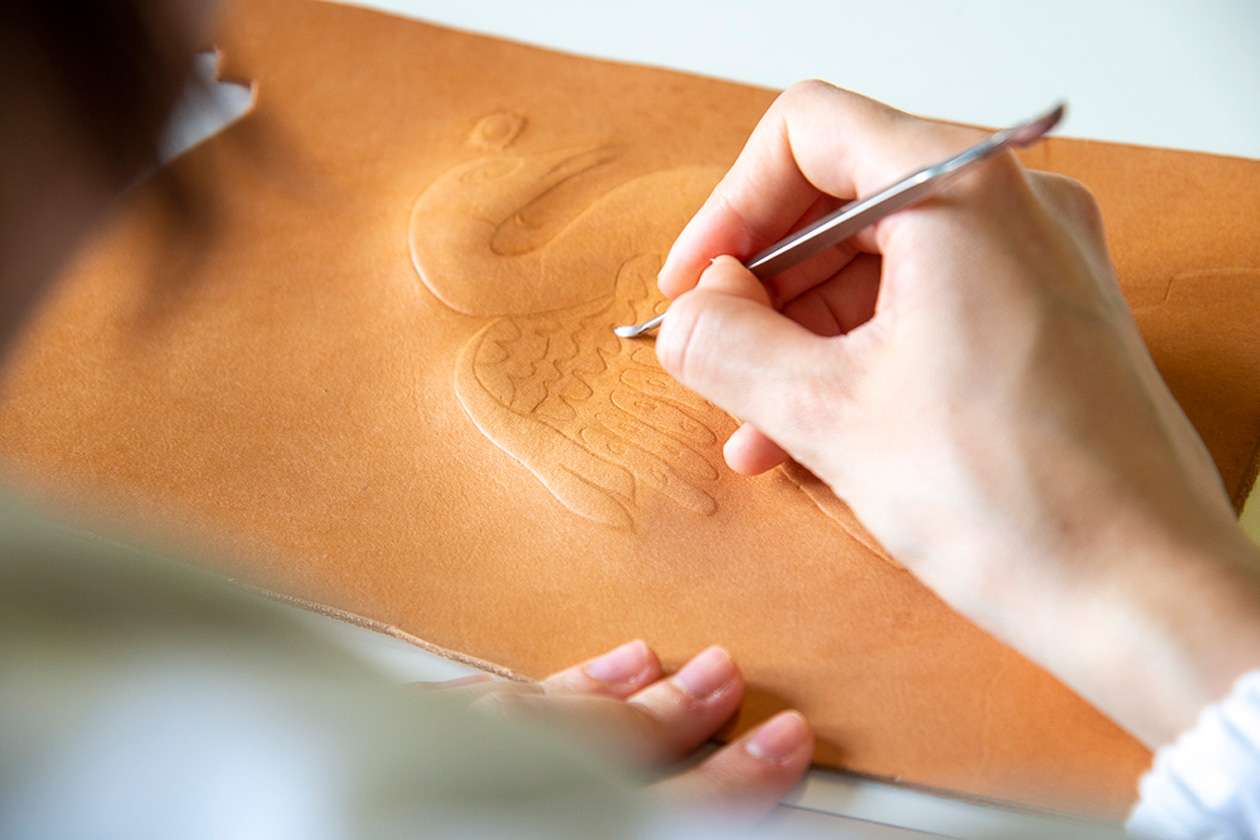
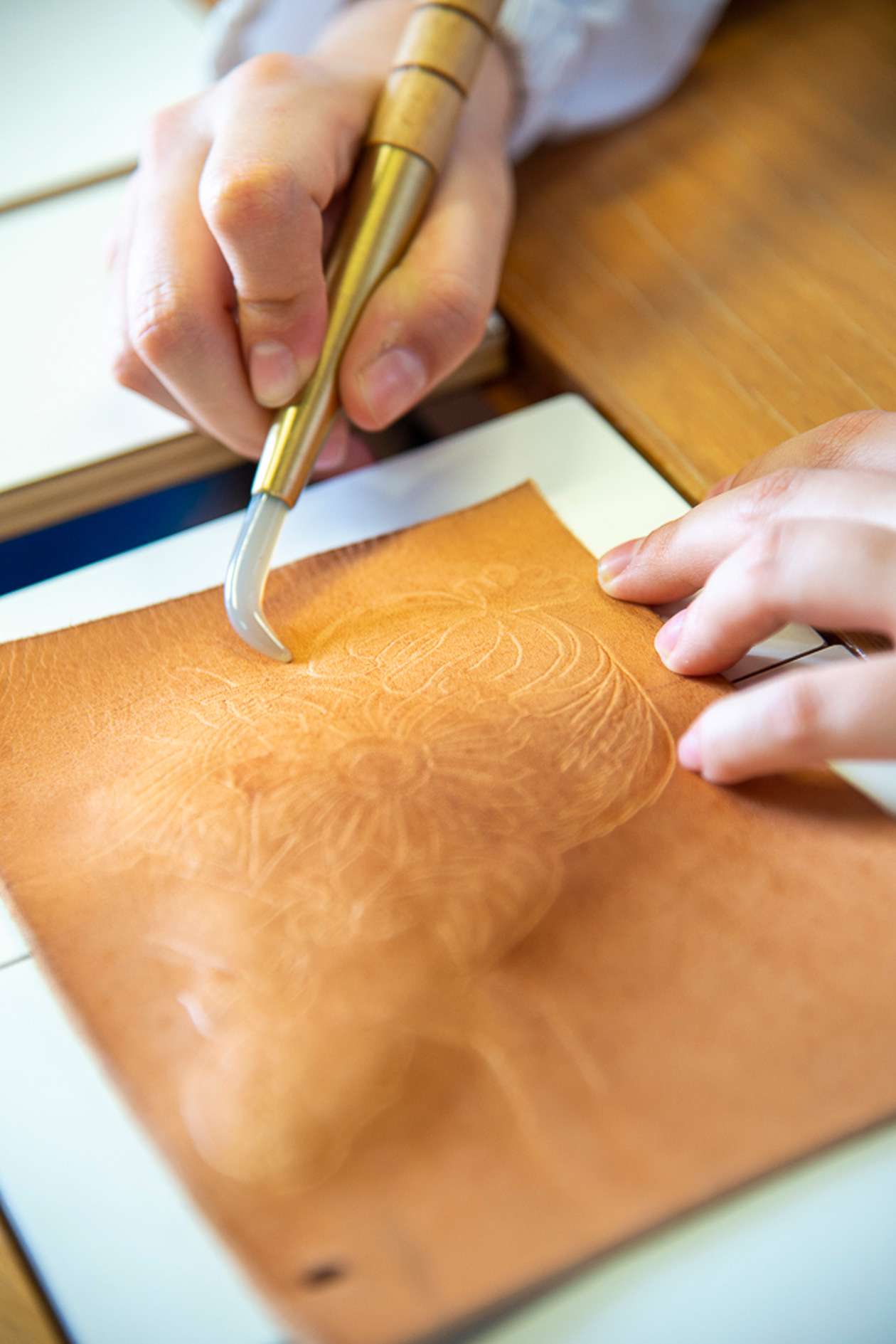
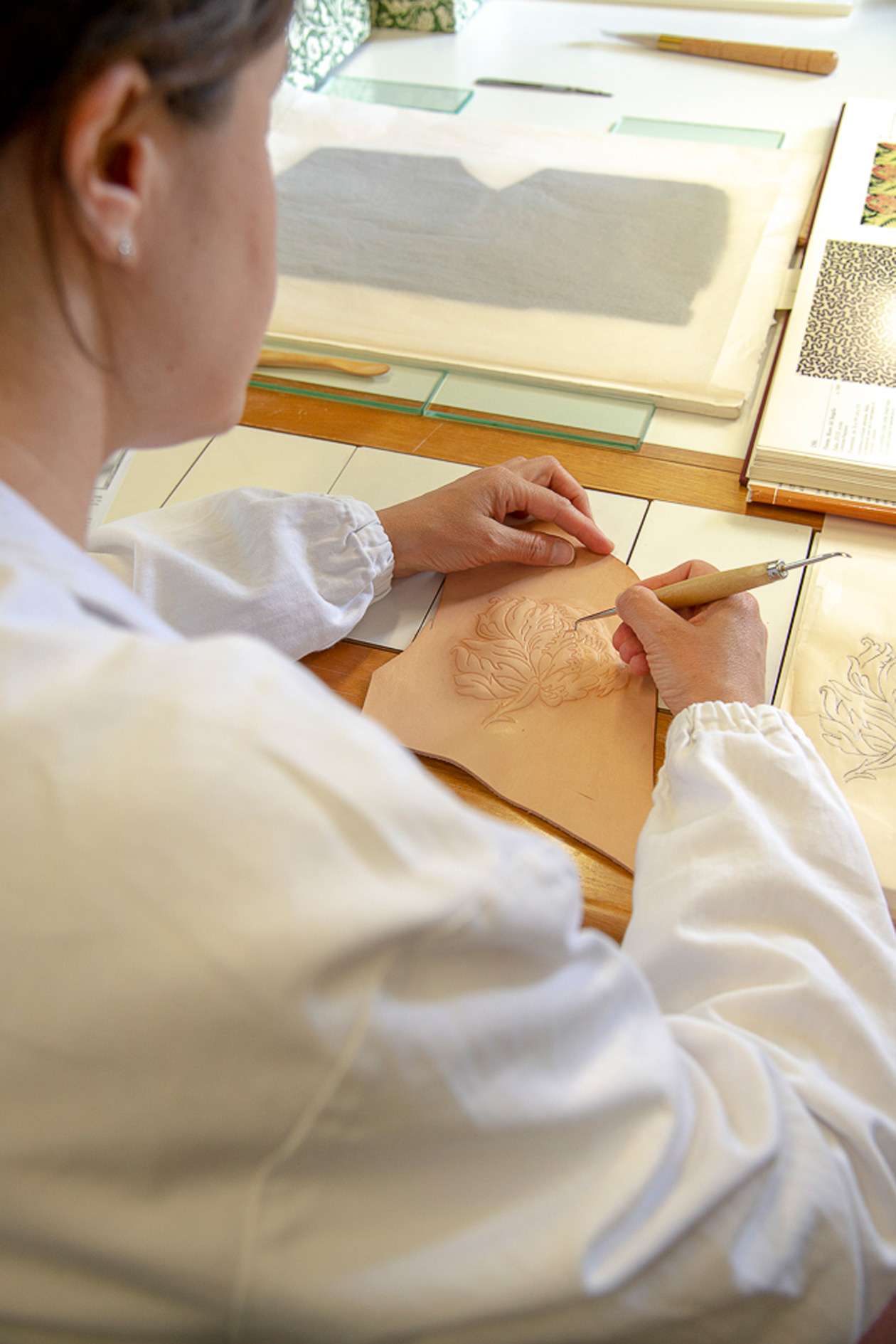
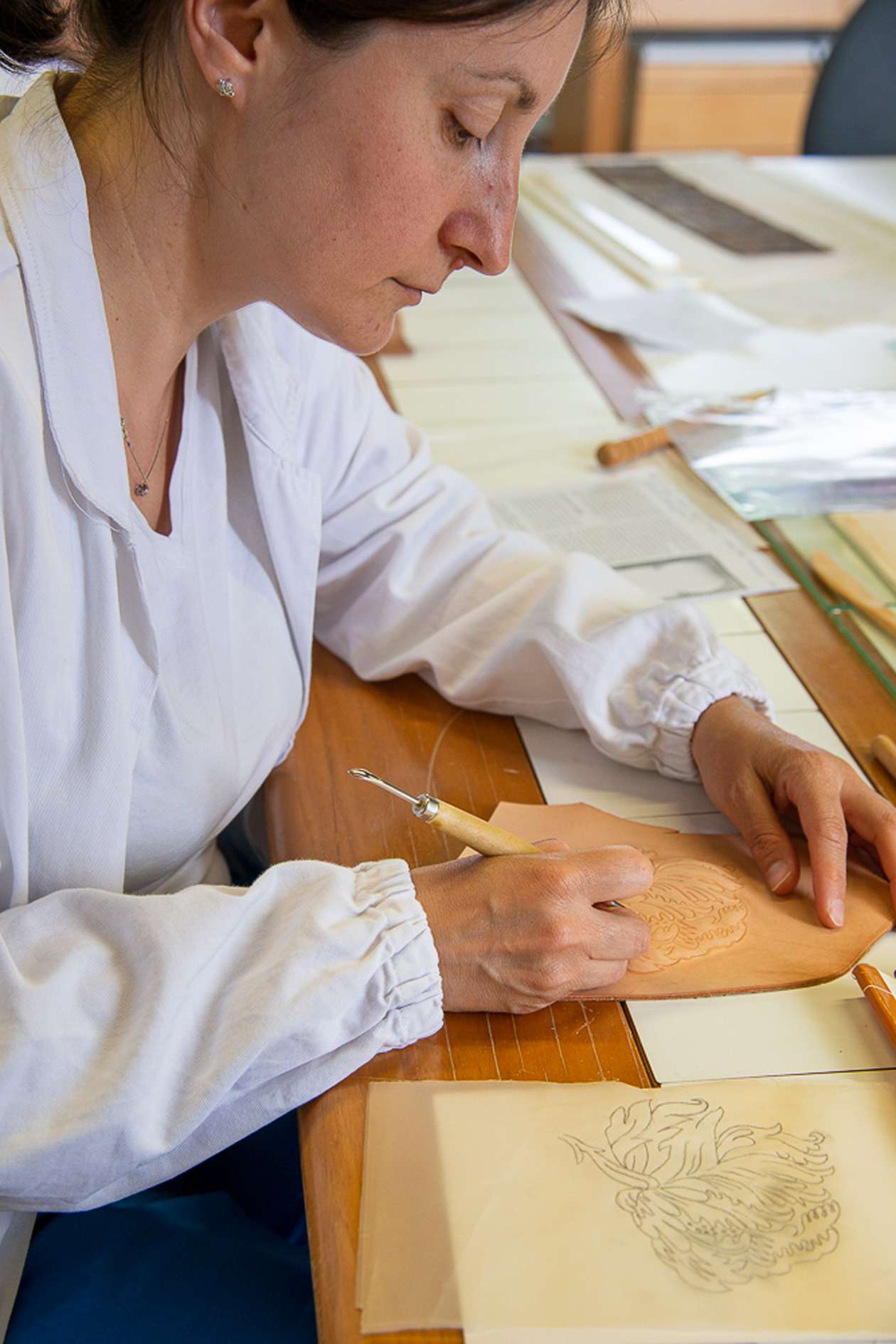
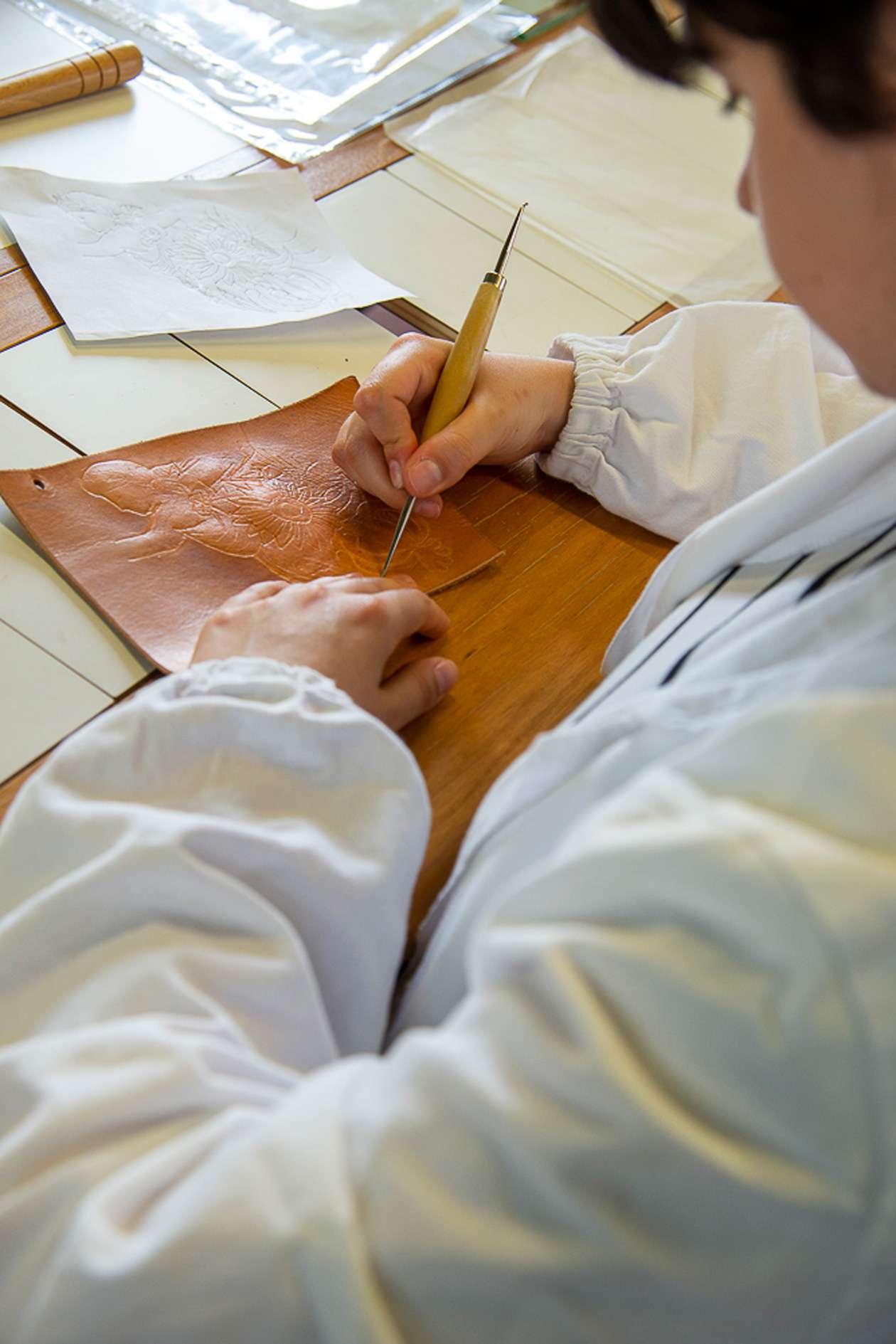
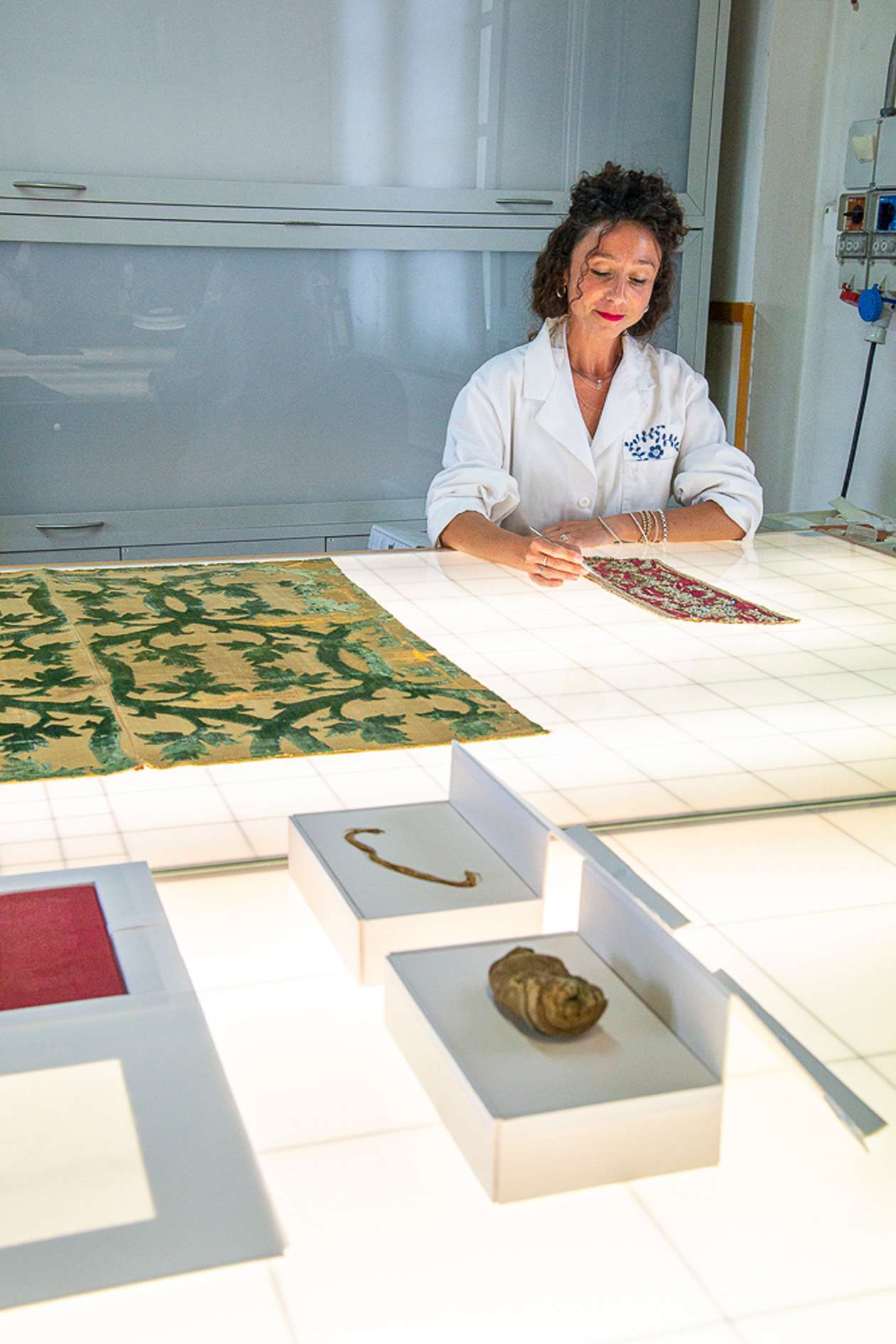
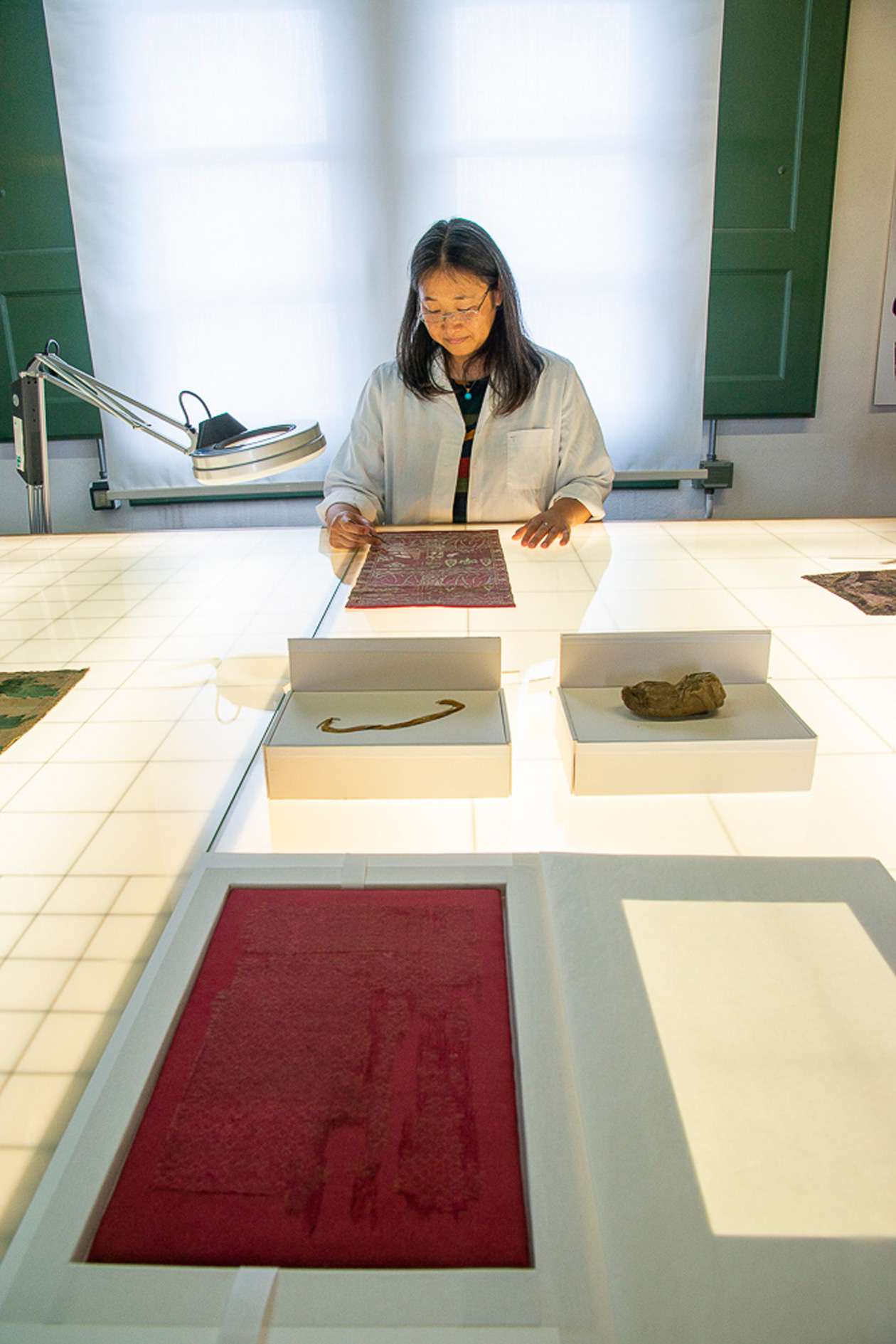
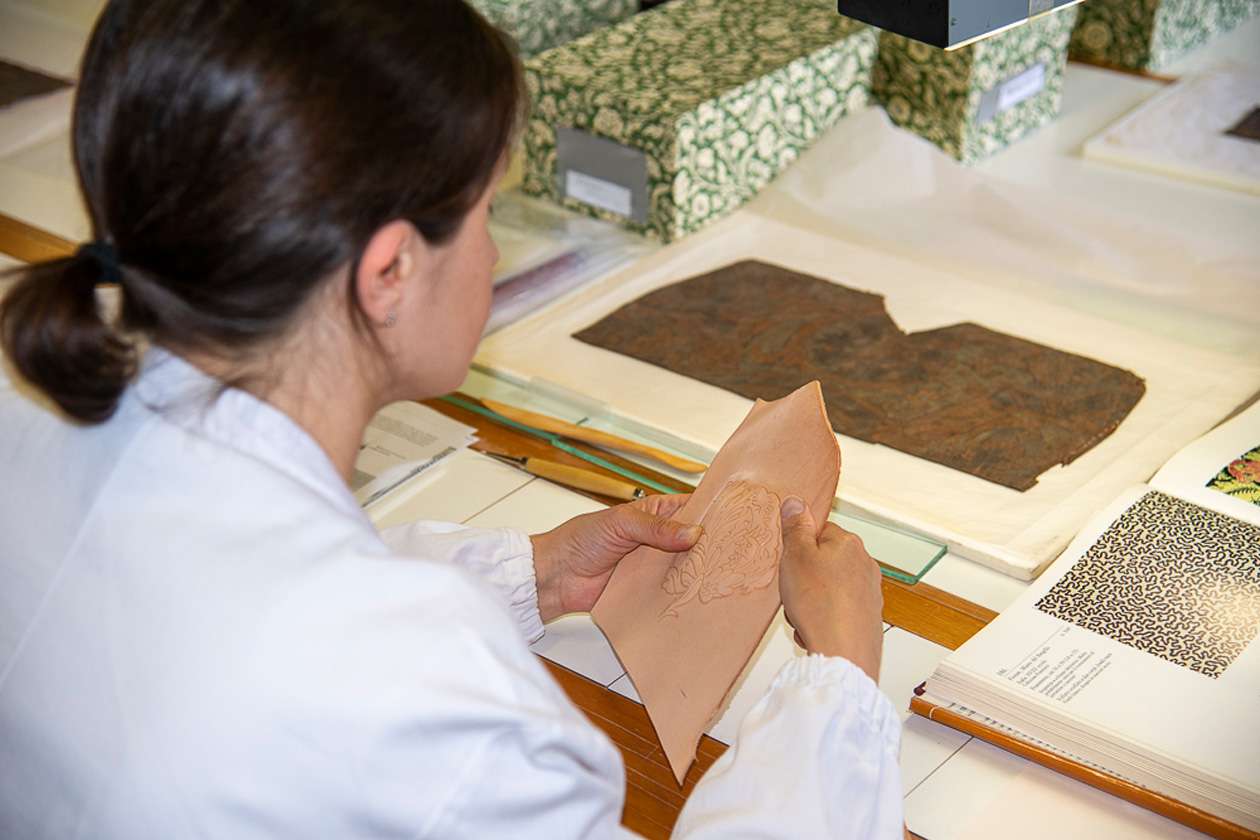
Il percorso comprende più categorie di manufatti, eterogenei per caratteristiche materiche e per tipologie tecniche, come ad esempio: Costumi, Moda e Accessori, Arazzi, Materiale Archeologico ed Etnografico, Bandiere e Stendardi, Materiali Intrecciati, Frammenti Tessili, Paramenti Ecclesiastici, Paglia, Pelle e Cuoio, Tappeti, Tappezzerie e Arredi.
Allo scopo di fornire allo studente una panoramica più possibile ampia, completa ed approfondita delle singole problematiche, il corso è articolato in due principali settori:
The program is structured in three main fields, with related themes and conservation issues:
- Technology of constituent materials and art techniques
- Preliminary project and cleaning methods
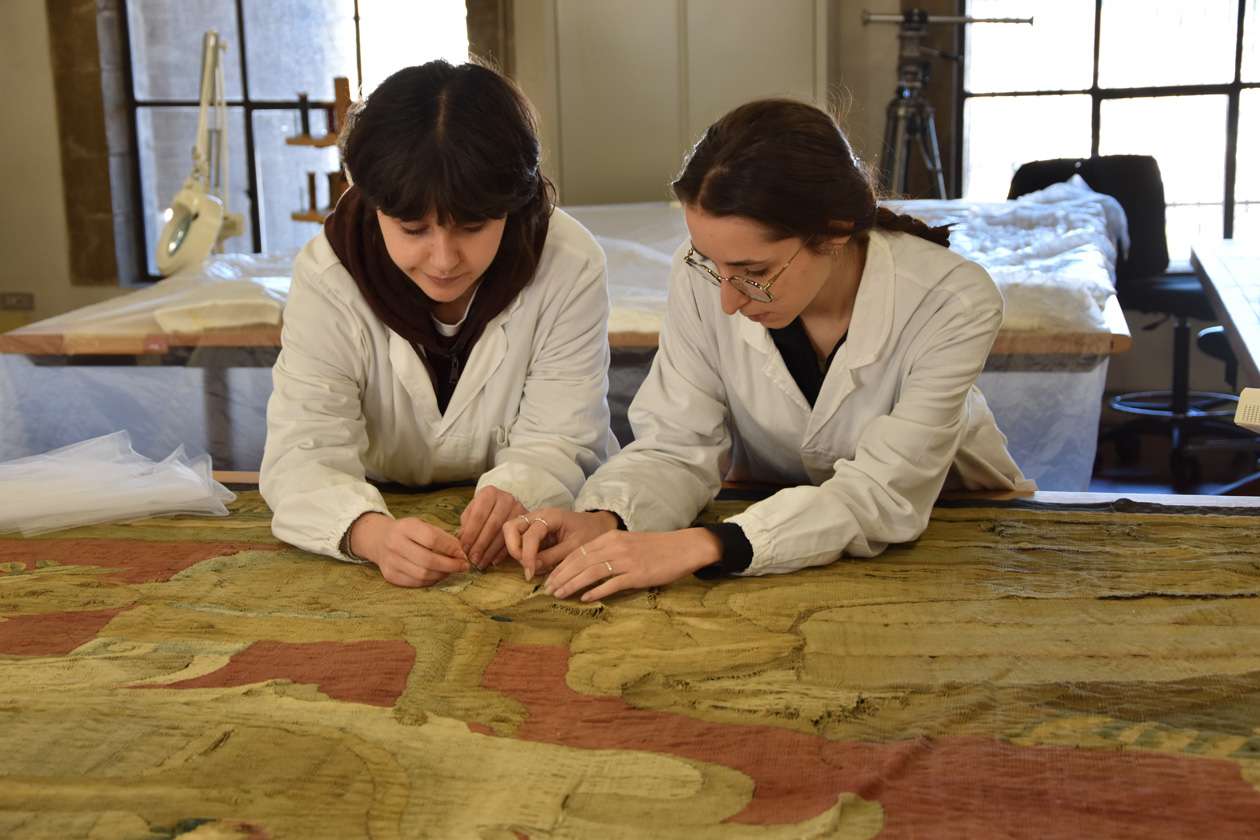
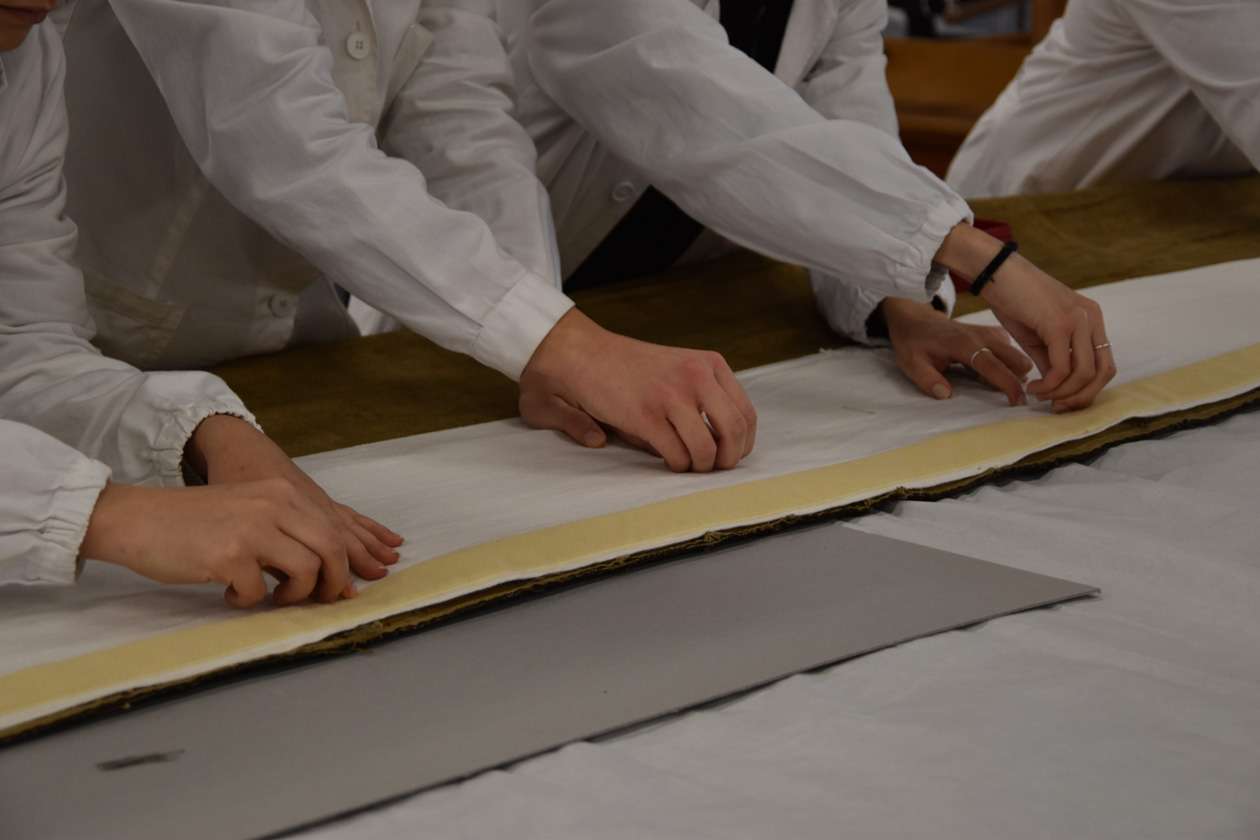
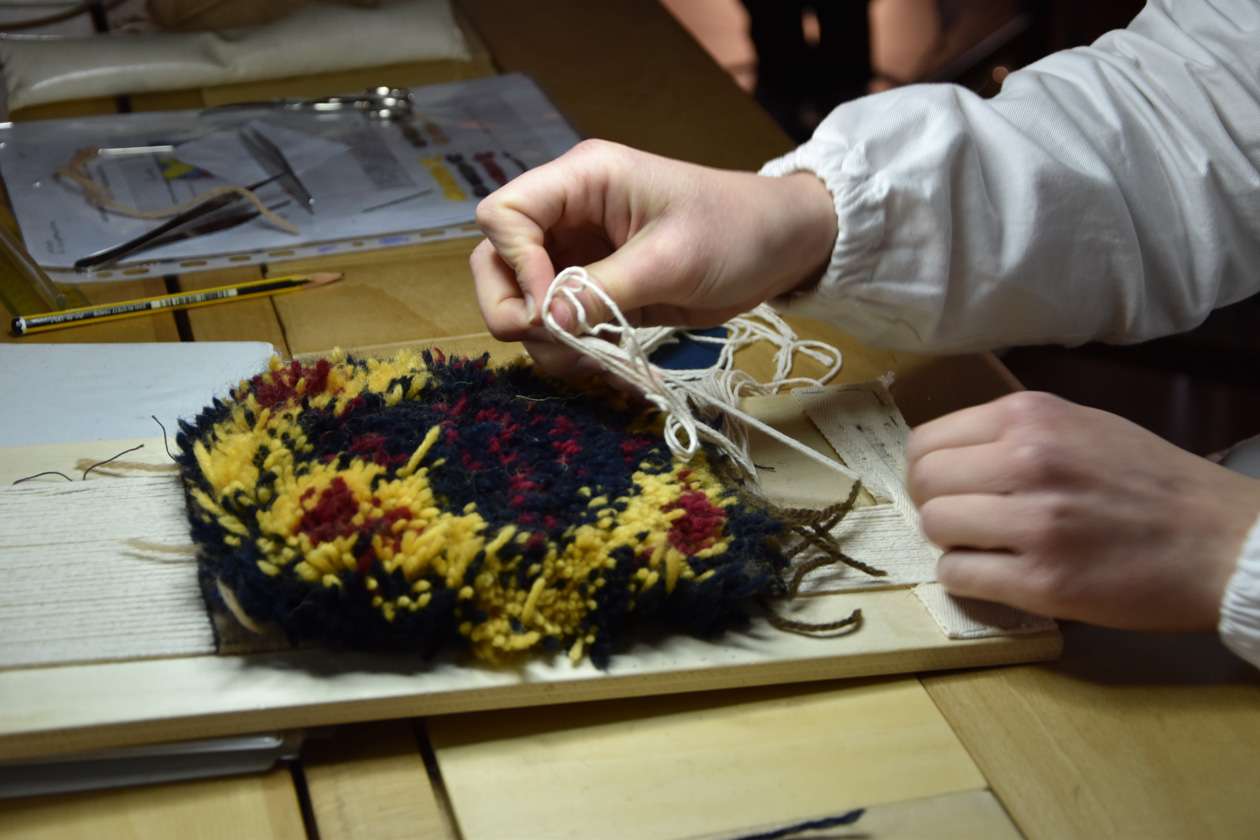
- Structural and material consolidation
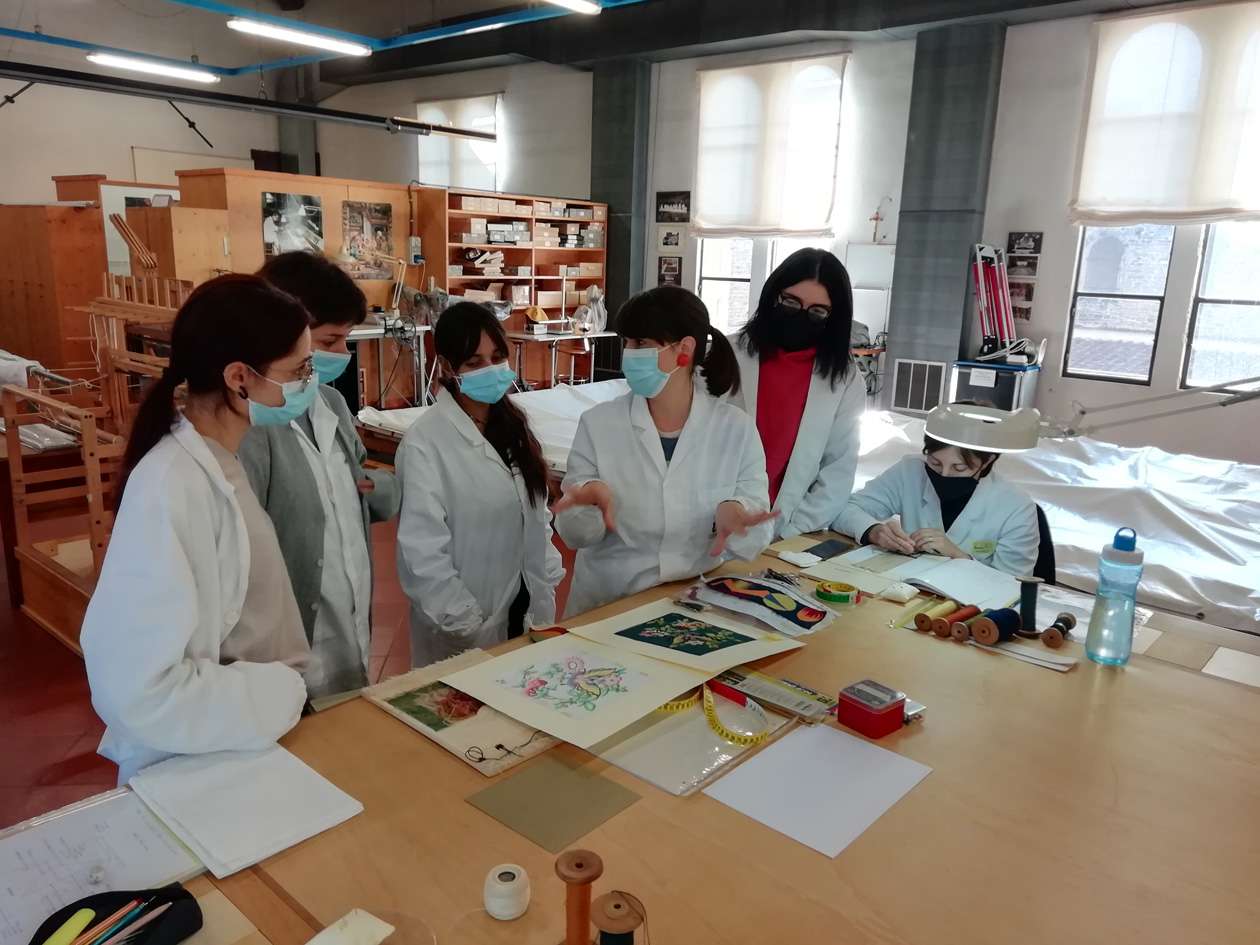
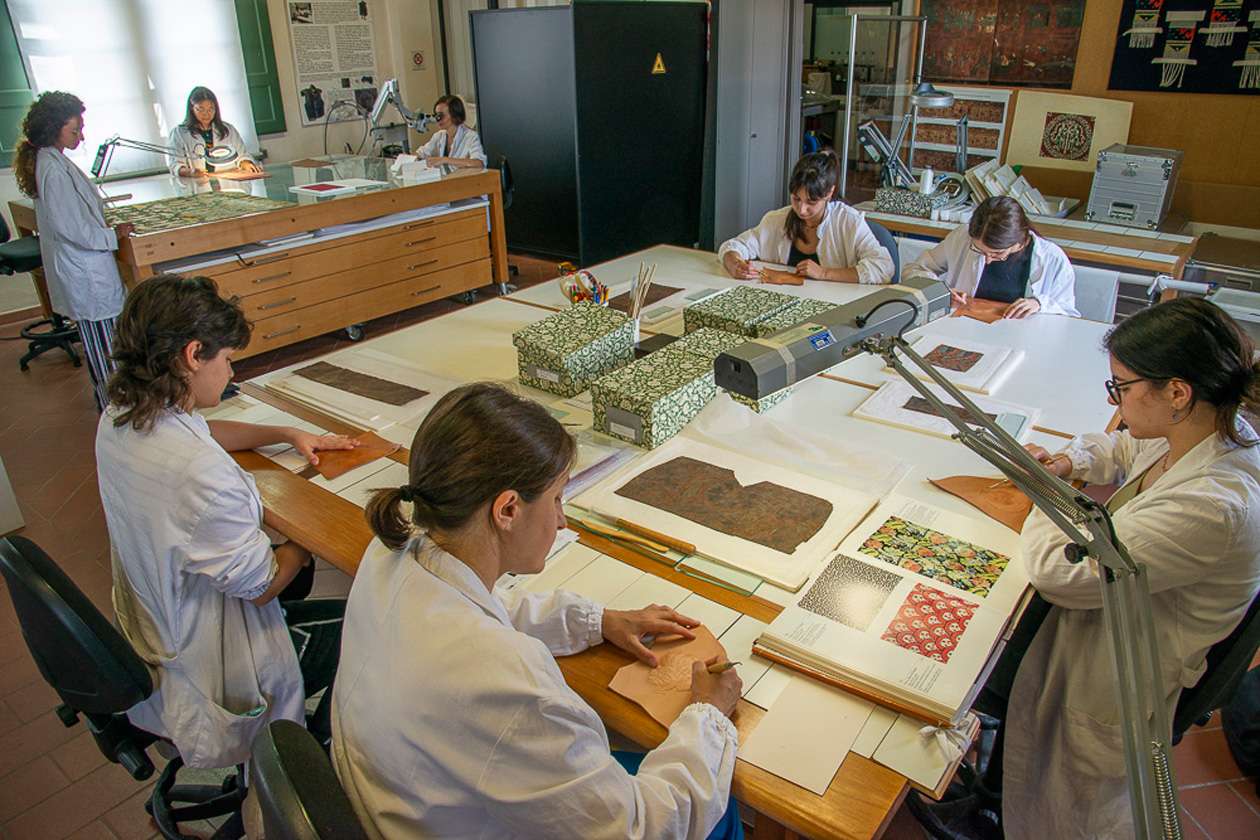
Conservation issues are approached by providing students with a wide case study of artworks, in order to provide a solid historical, technical and chemical-physical knowledge of the materials, their use and various typological categories, as well as the different methods of intervention.
In order to acquire a broader critical vision, the laboratory program also includes technical-practical site experiences, carried out in important public and private institutions, in the field of safeguard and valorisation, aimed at the study of preventive and planned conservation of collections, diagnostic investigations concerning materials and techniques and permanent or temporary exhibition system – fundamental topics for an in-depth study of conservation issues and in dealing with complex operational aspects.