Training Objectives
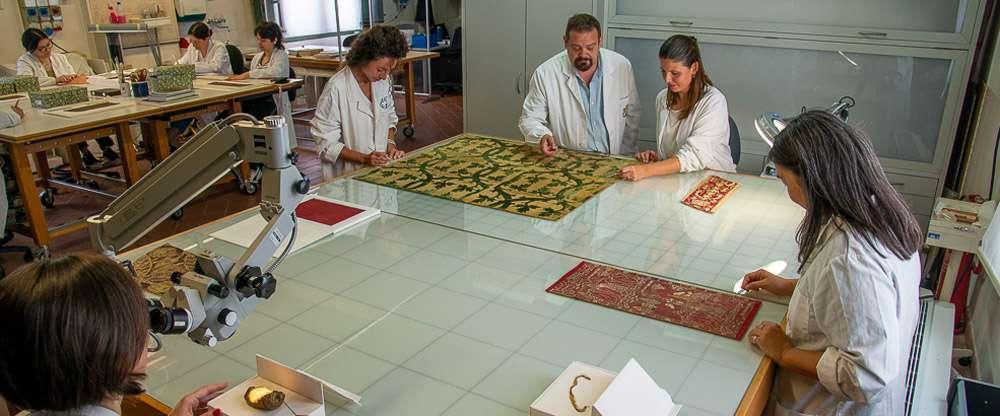
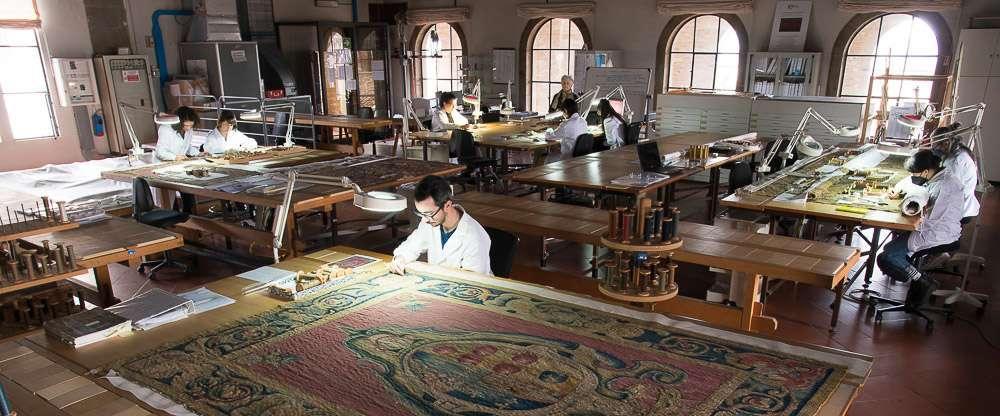
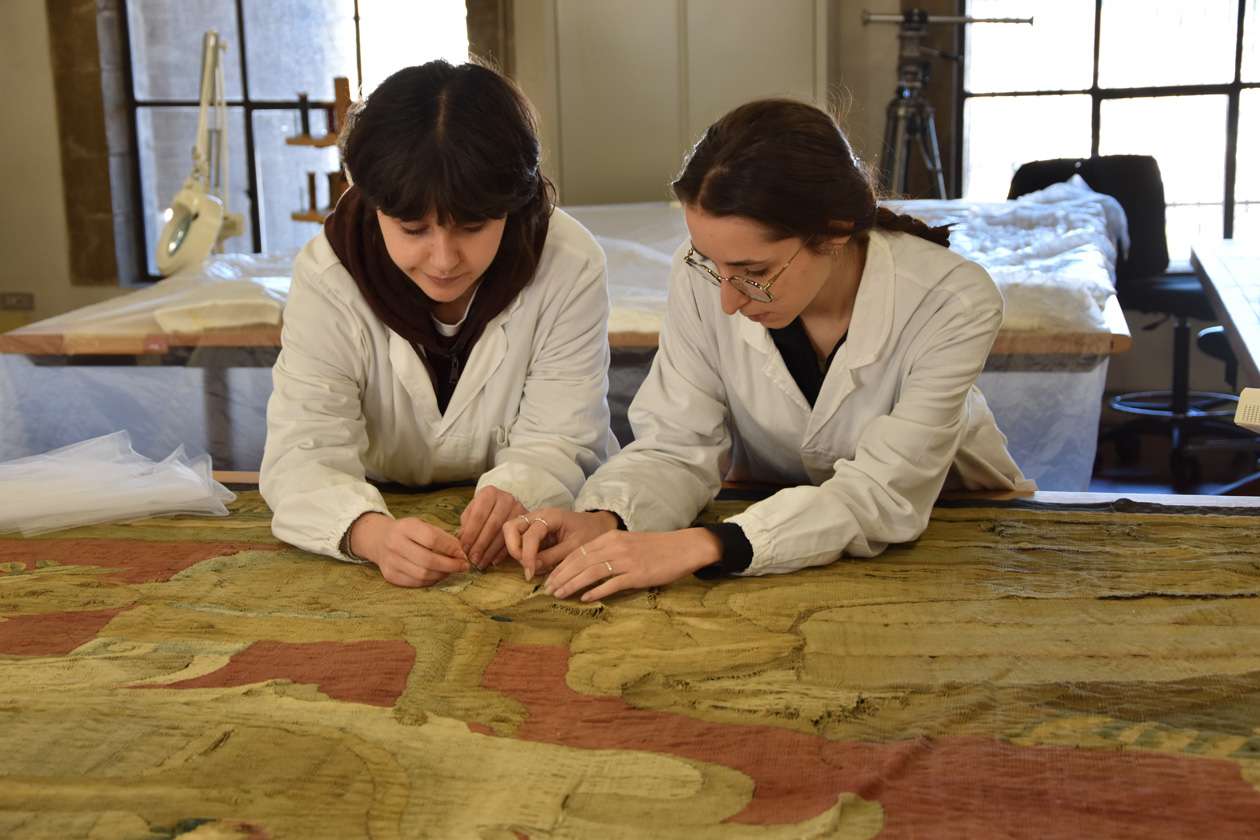
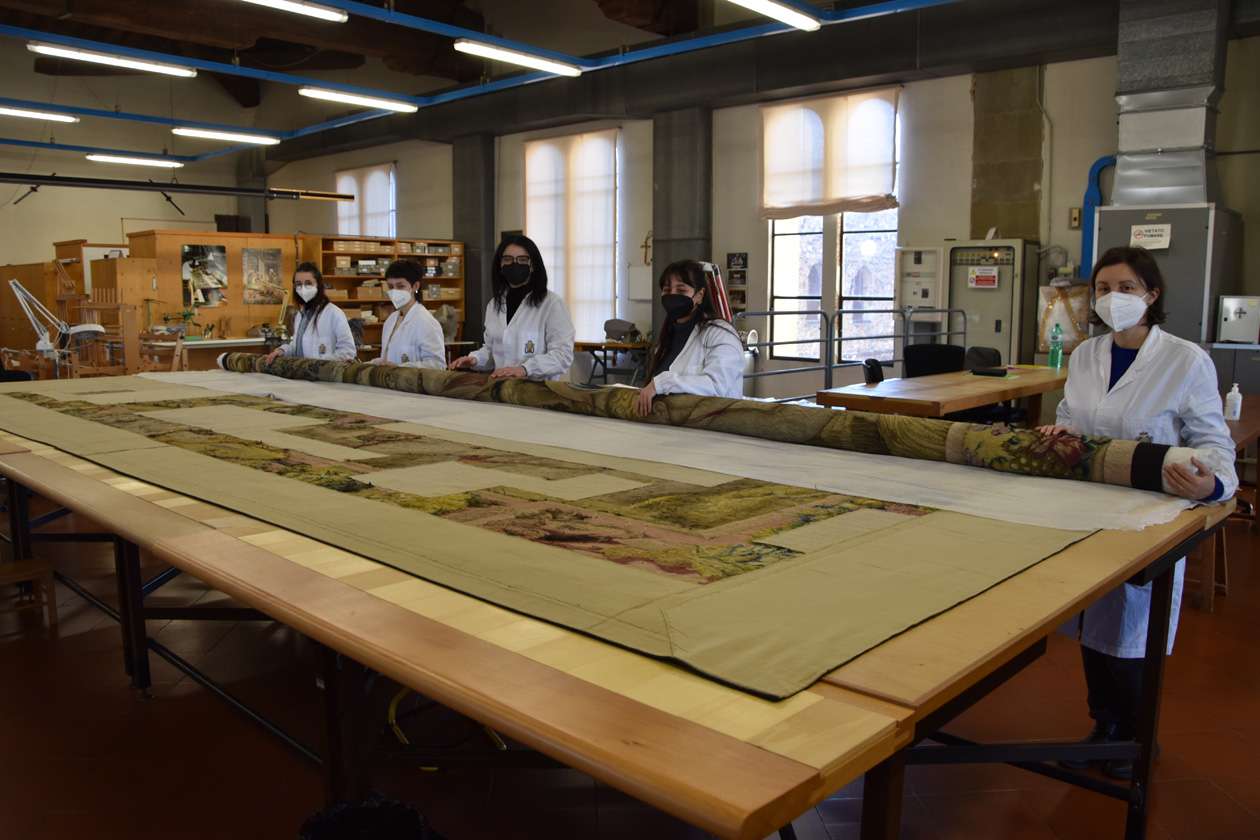
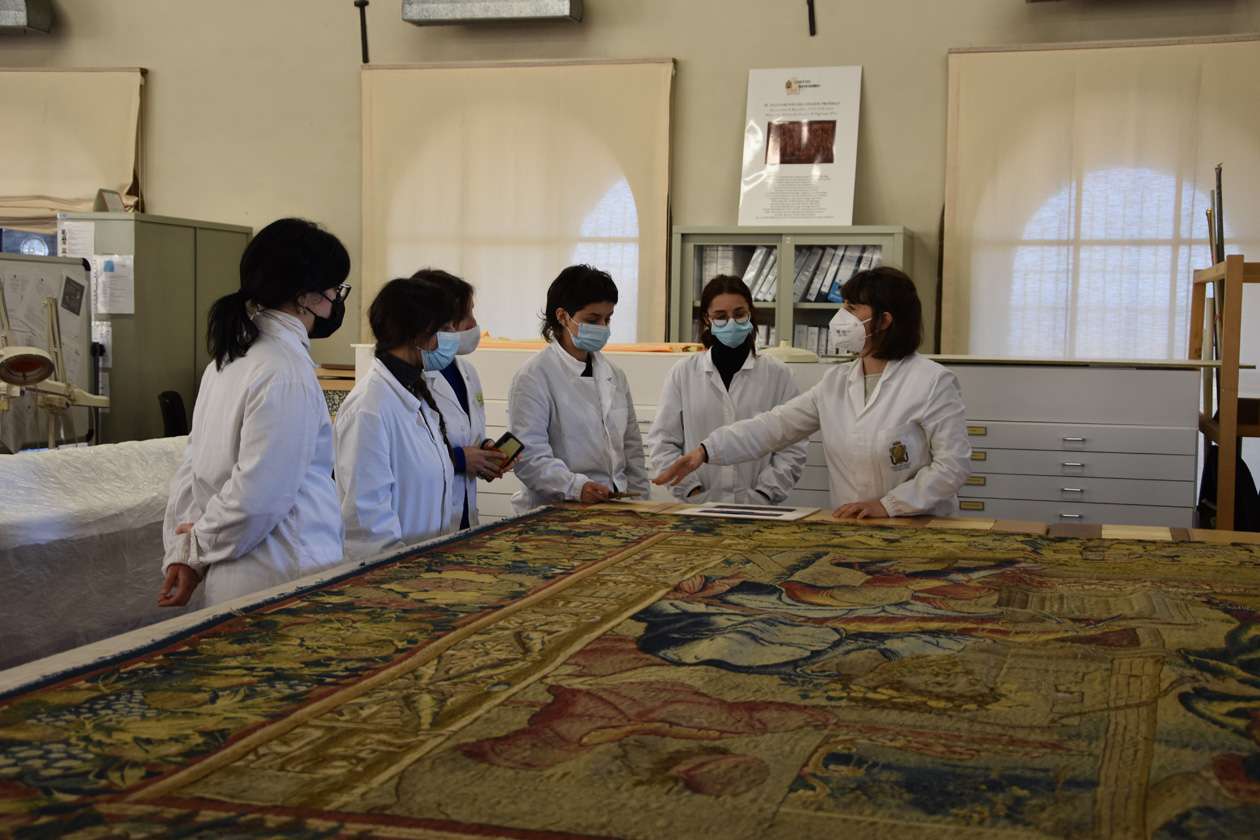
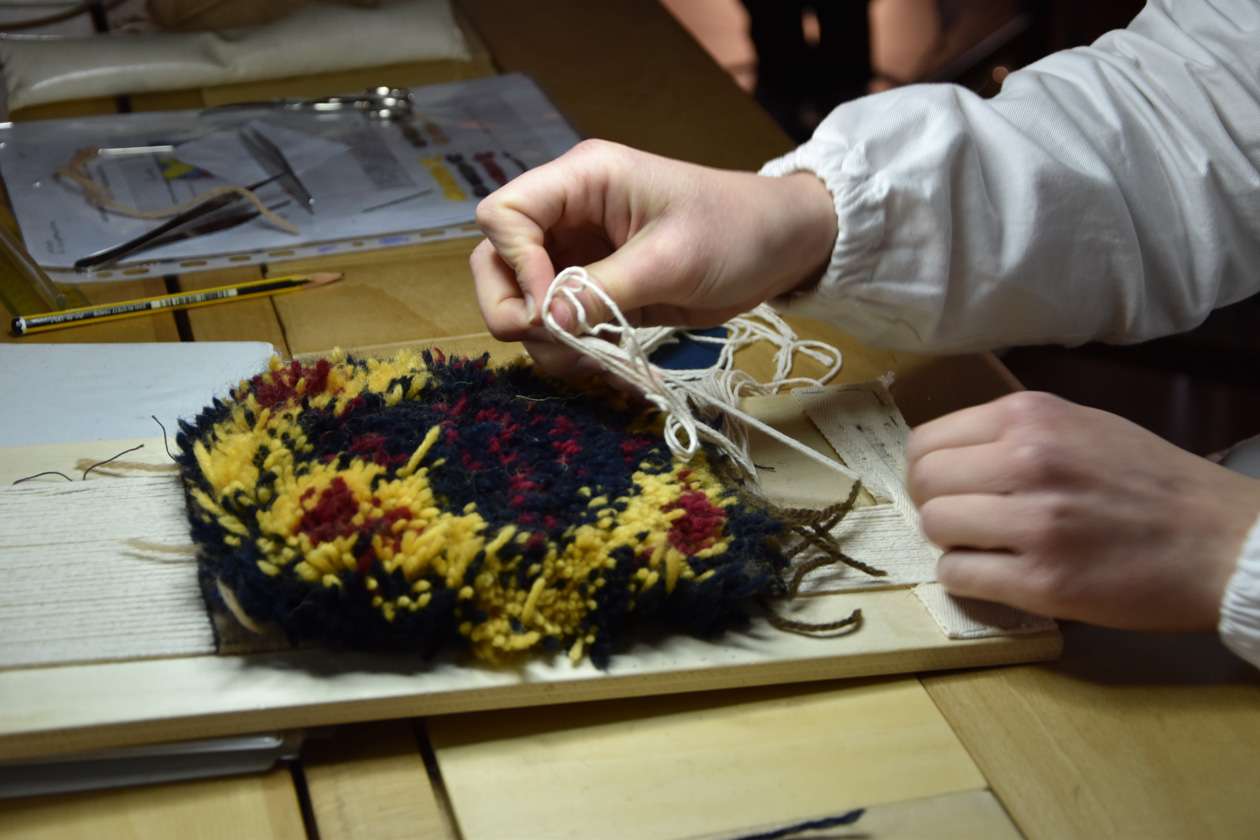
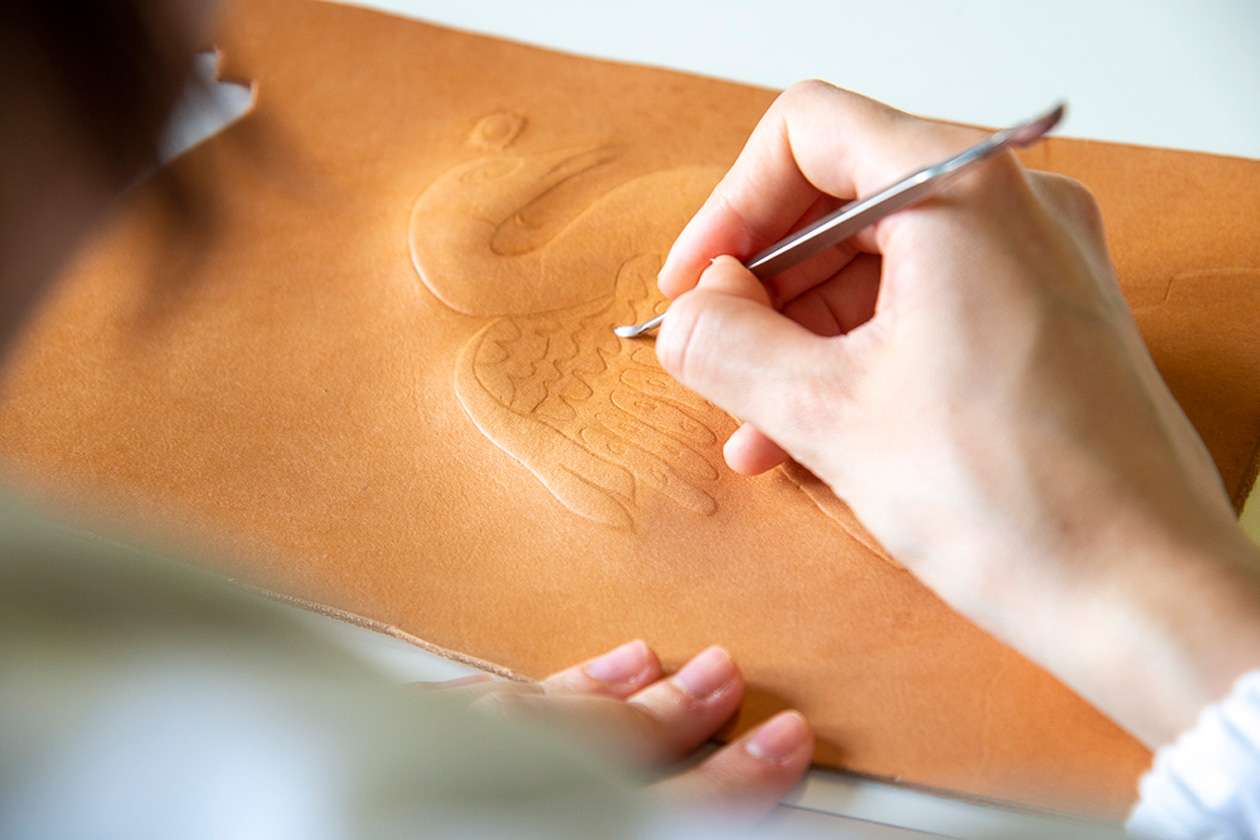
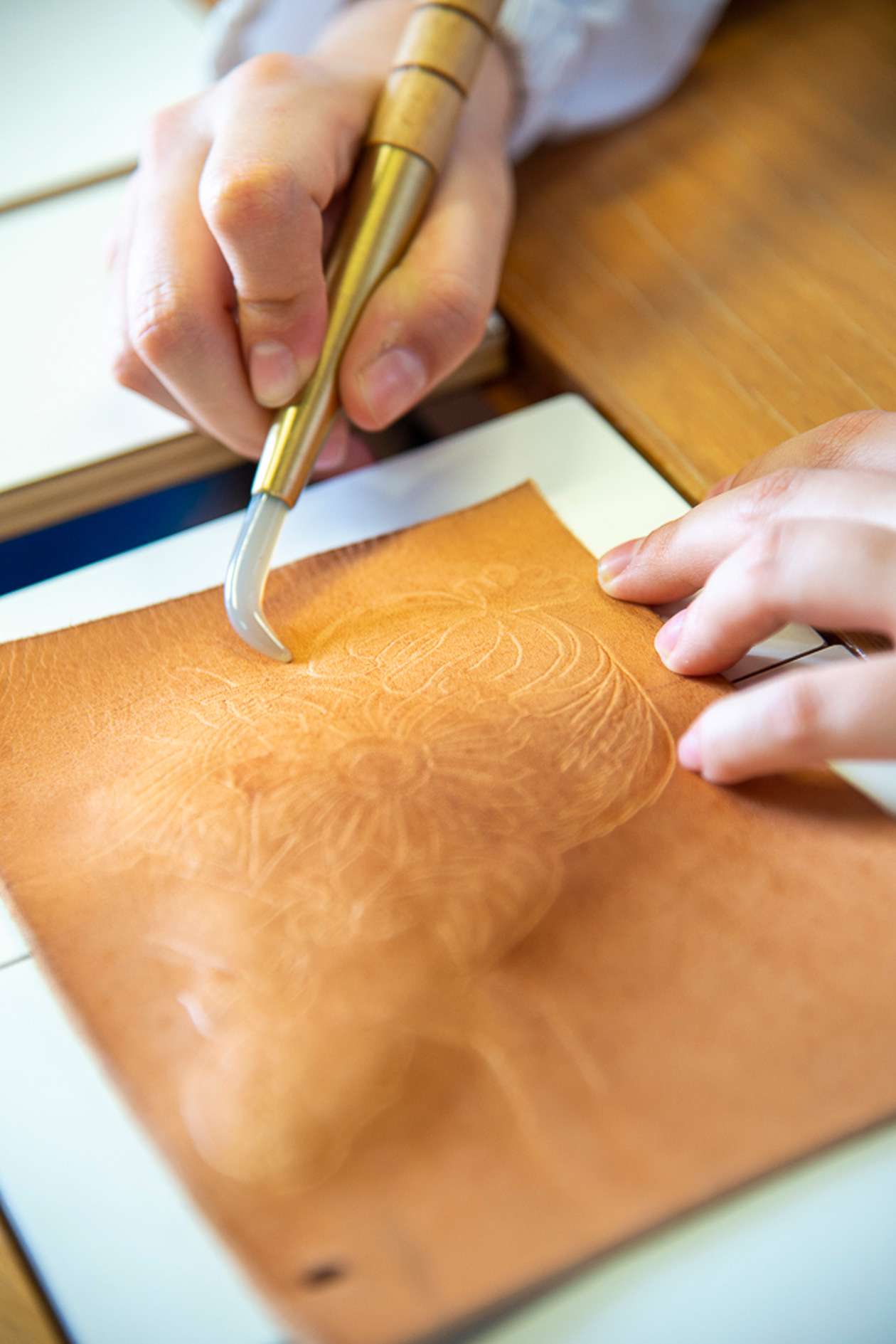
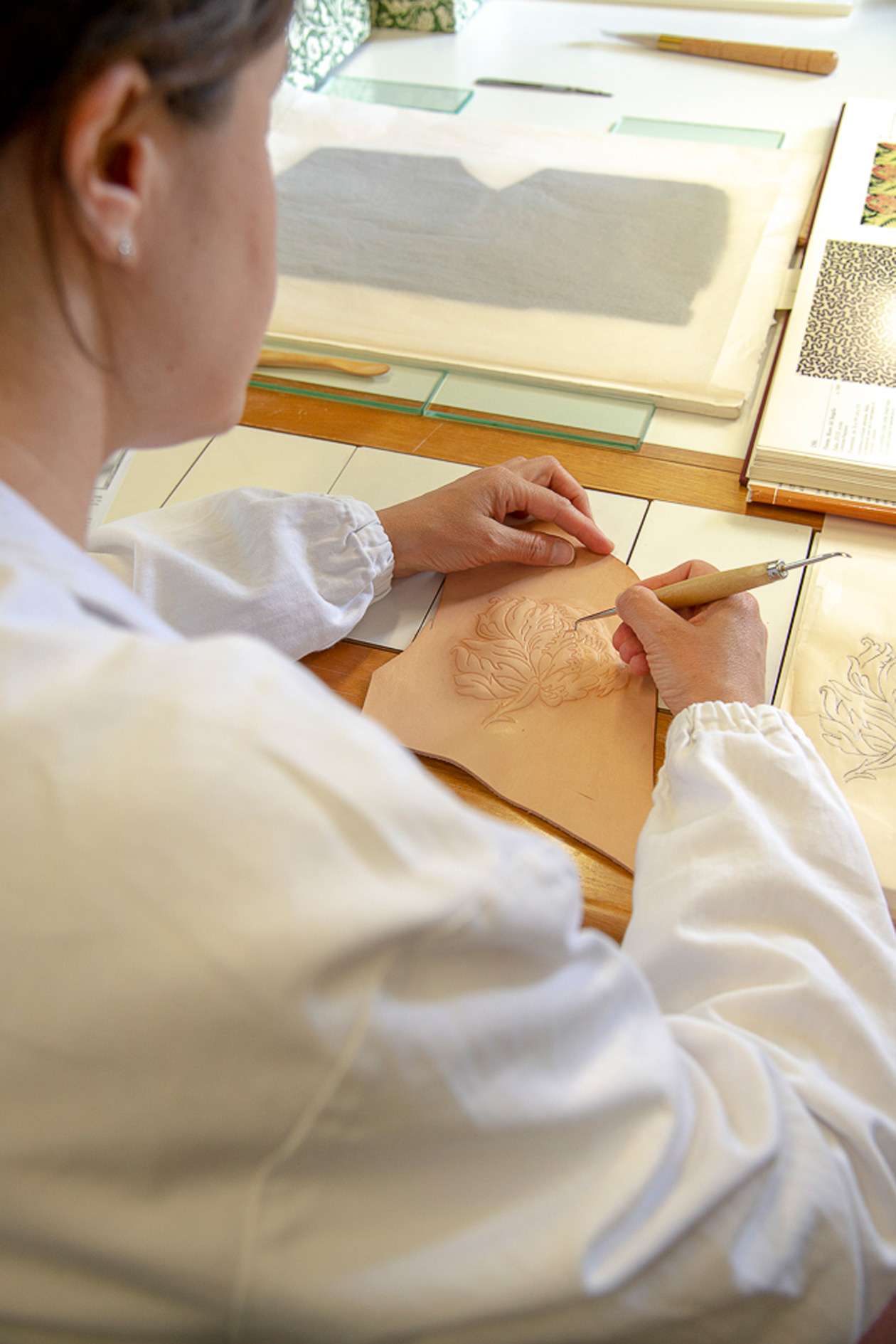
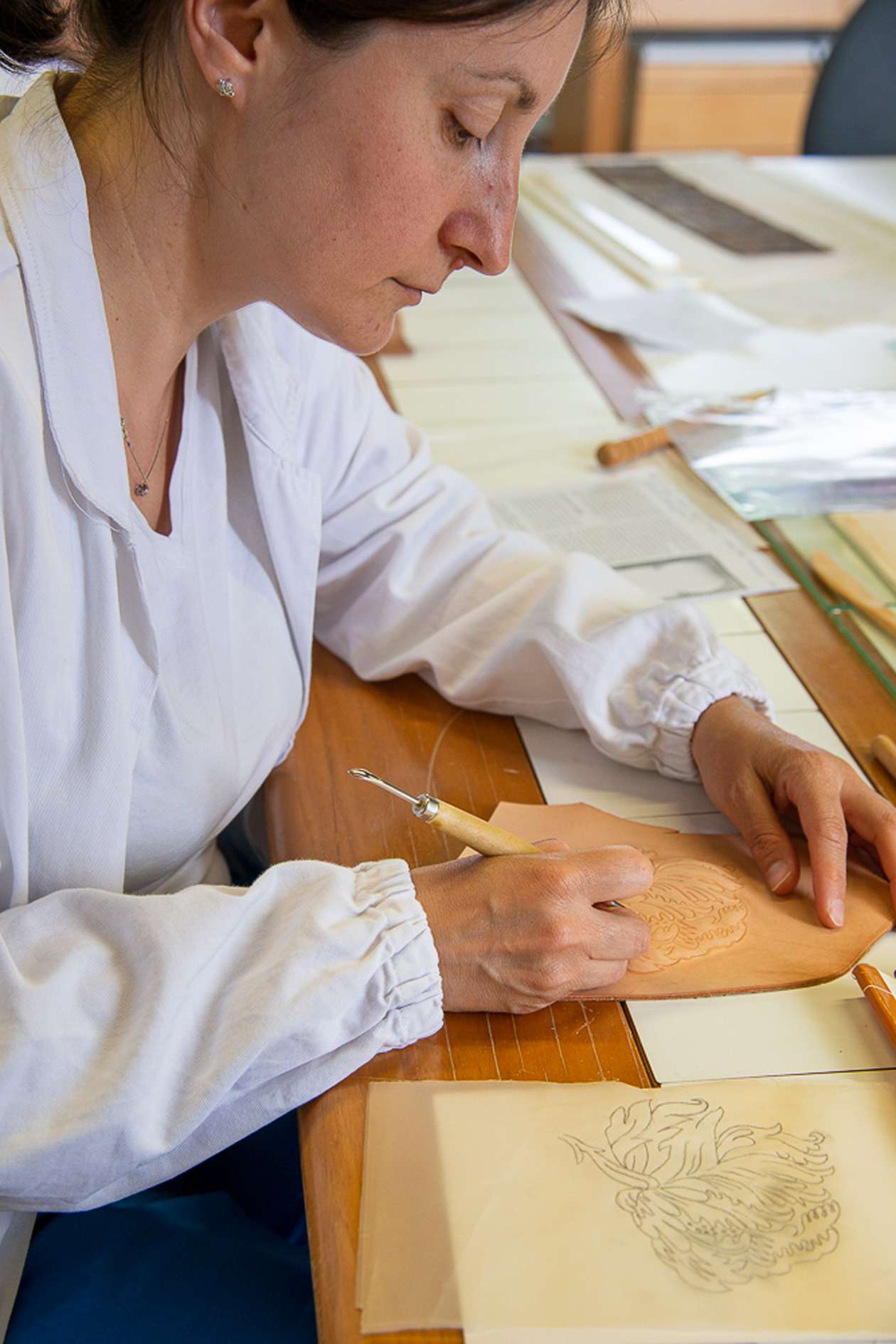
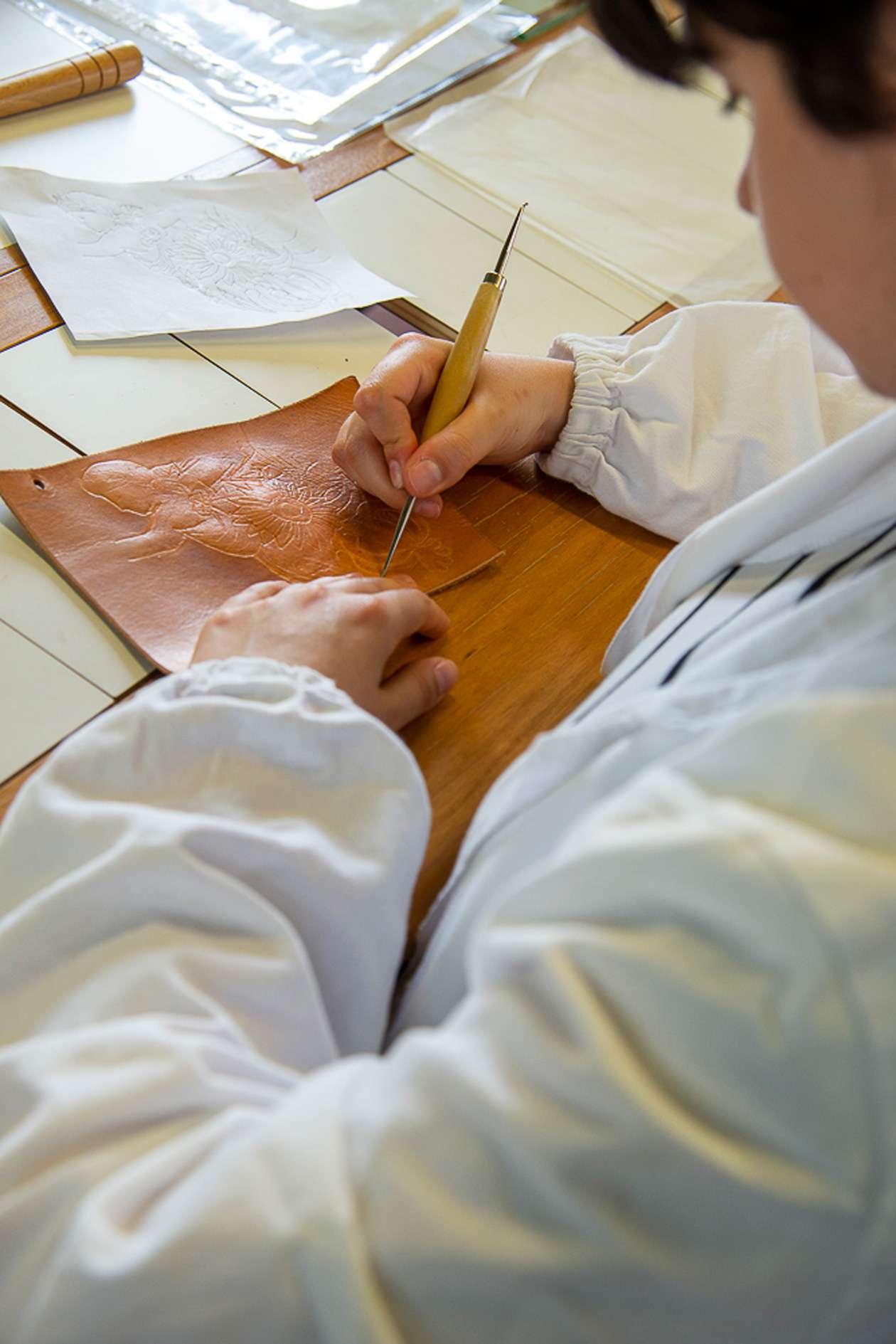
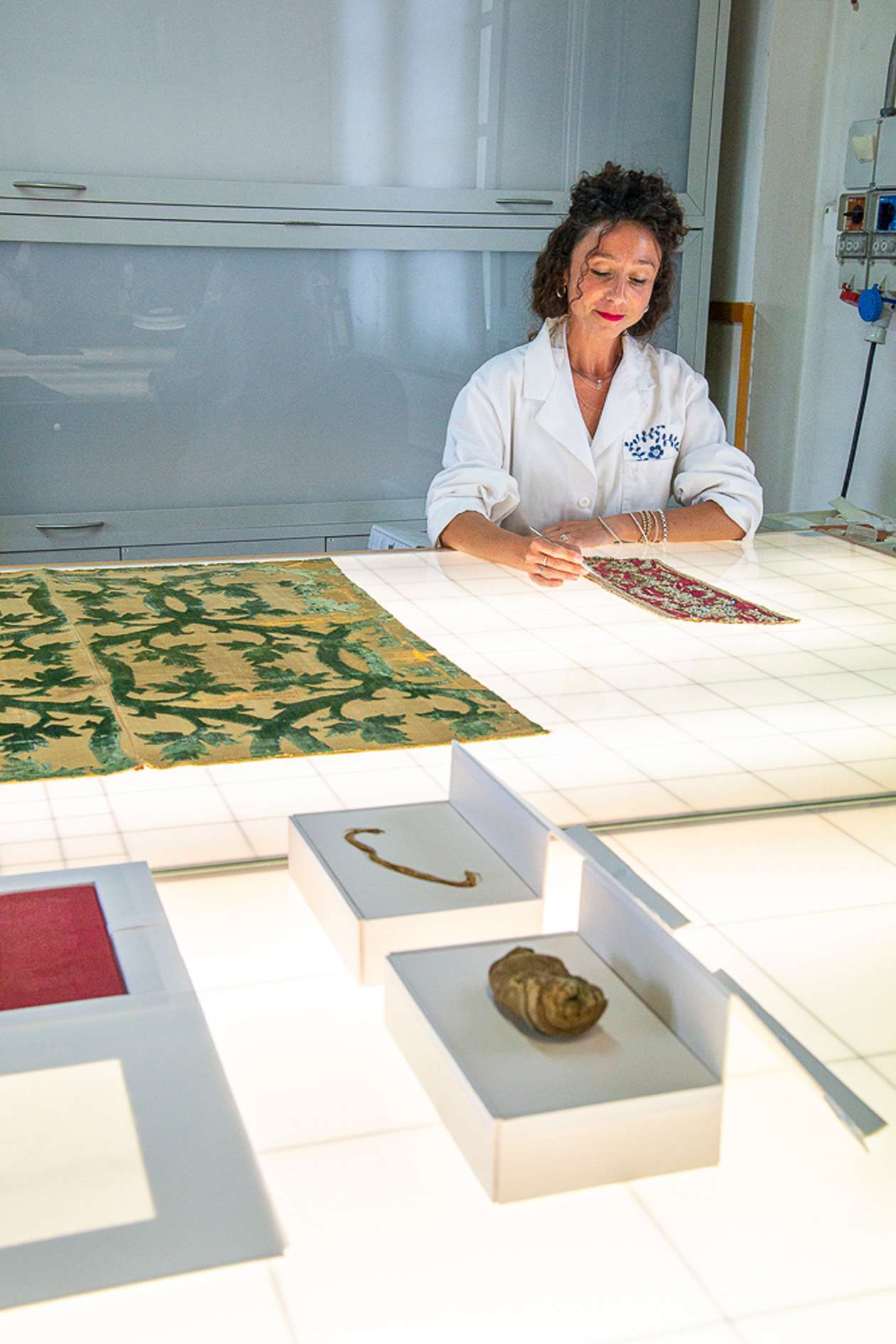
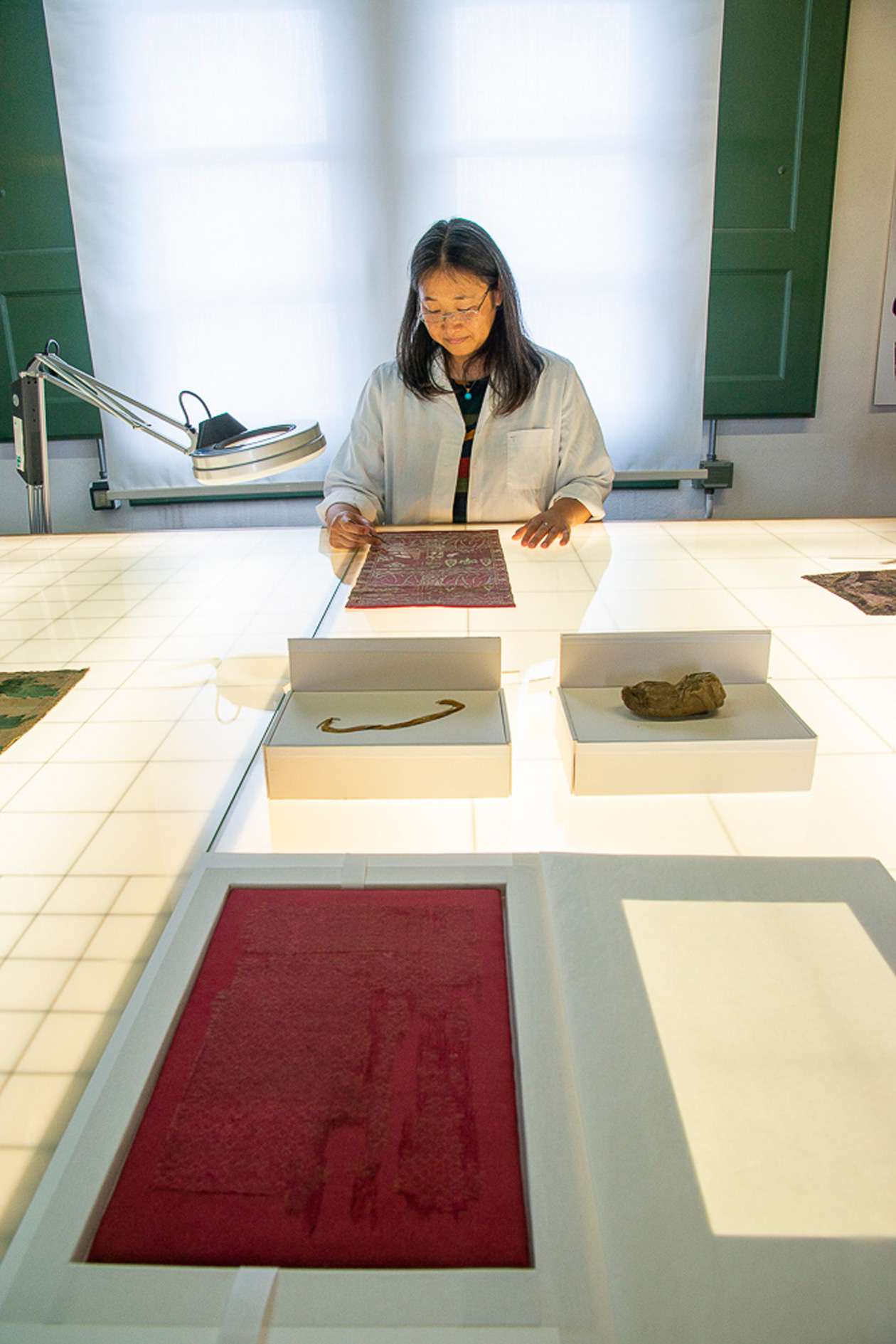
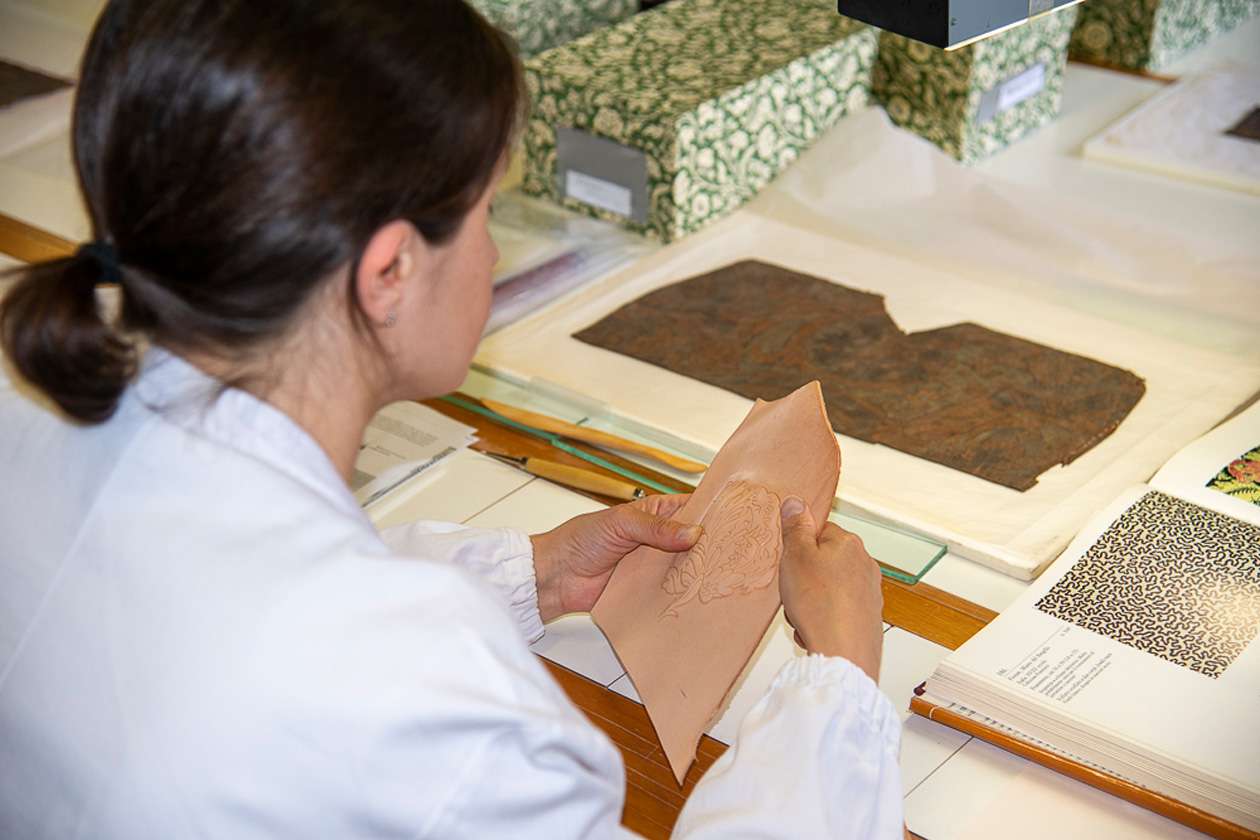
The Training program No. 3 (PFP 3) covers several categories of artifacts, that vary in terms of material characteristics and technical type: costumes, fashion and accessories, tapestries, archaeological and ethnographic textiles, banners and flags, woven materials, textile fragments, ecclesiastical vestments, objects made of straw, leather and hide, carpets, upholstery and furnishings.
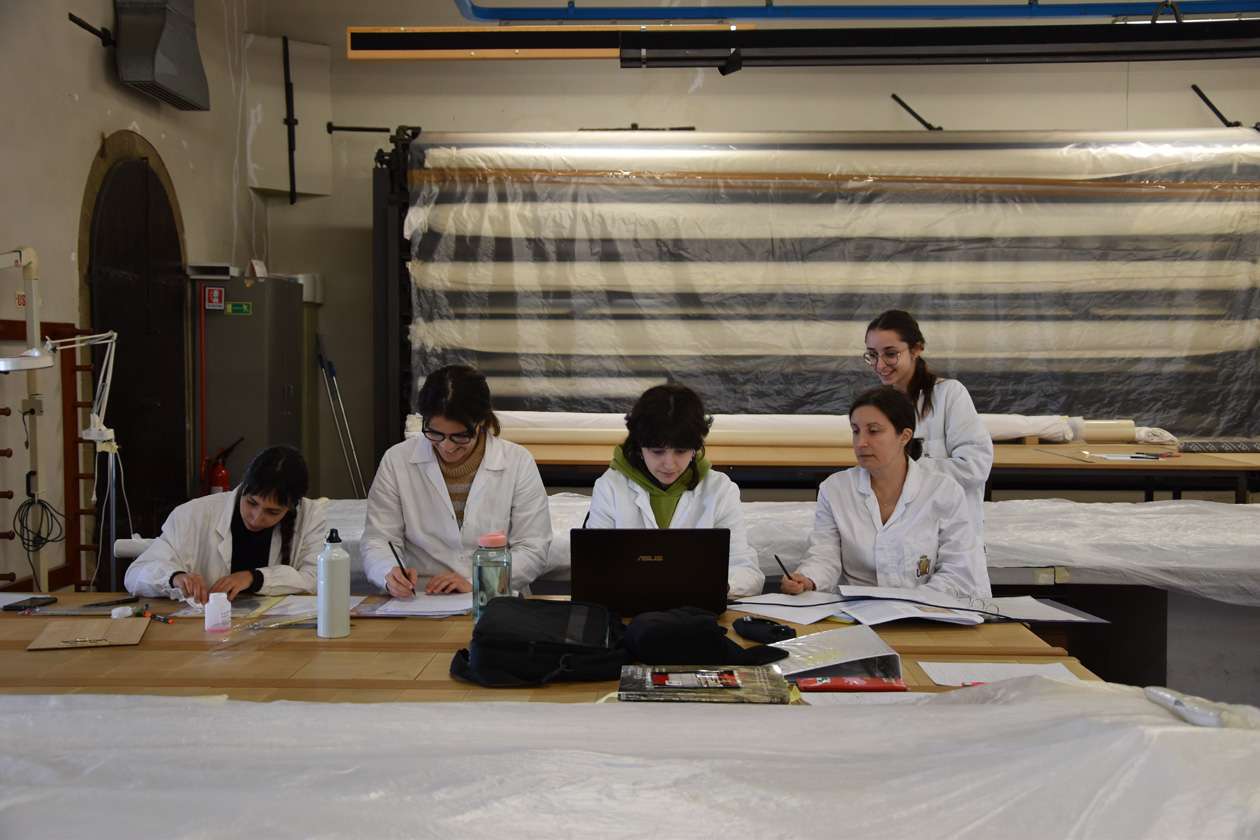
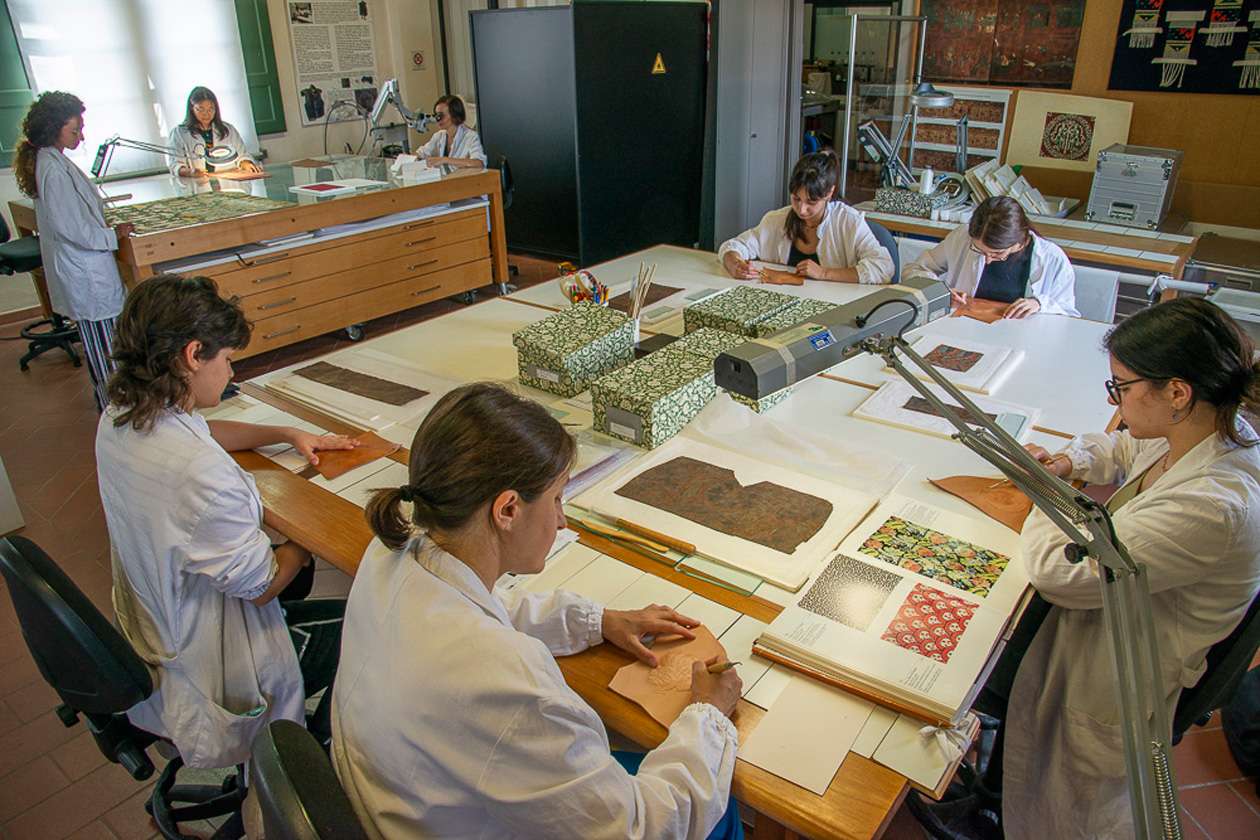
In order to offer students the most extensive, complete and in-depth overview of the conservation issues of this field, the course takes place within the following departments of the Opificio:
The program is structured in three main fields, with related themes and conservation issues:
- Technology of constituent materials and art techniques
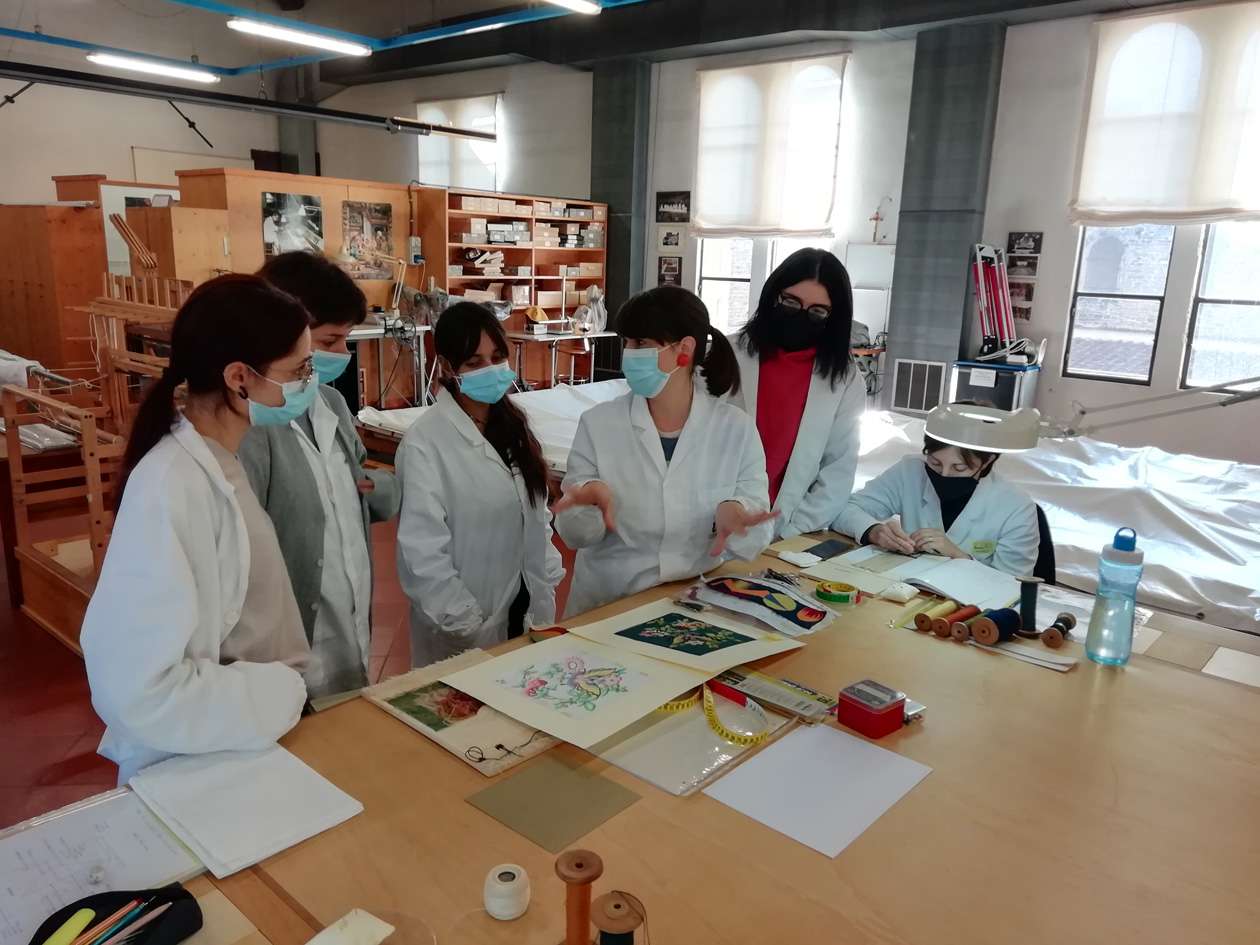
- Preliminary project and cleaning methods
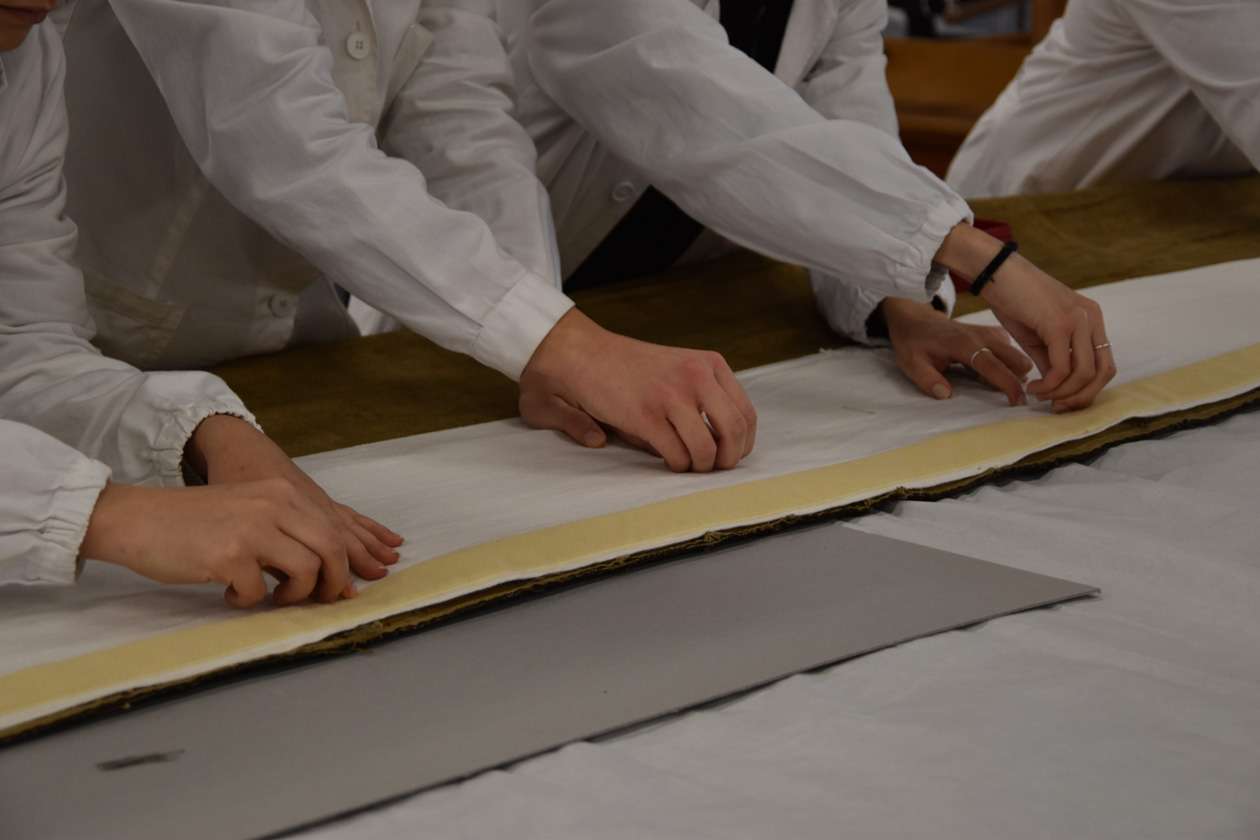
- Structural and material consolidation
Conservation issues are approached by providing students with a wide case study of artworks, in order to provide a solid historical, technical and chemical-physical knowledge of the materials, their use and various typological categories, as well as the different methods of intervention.
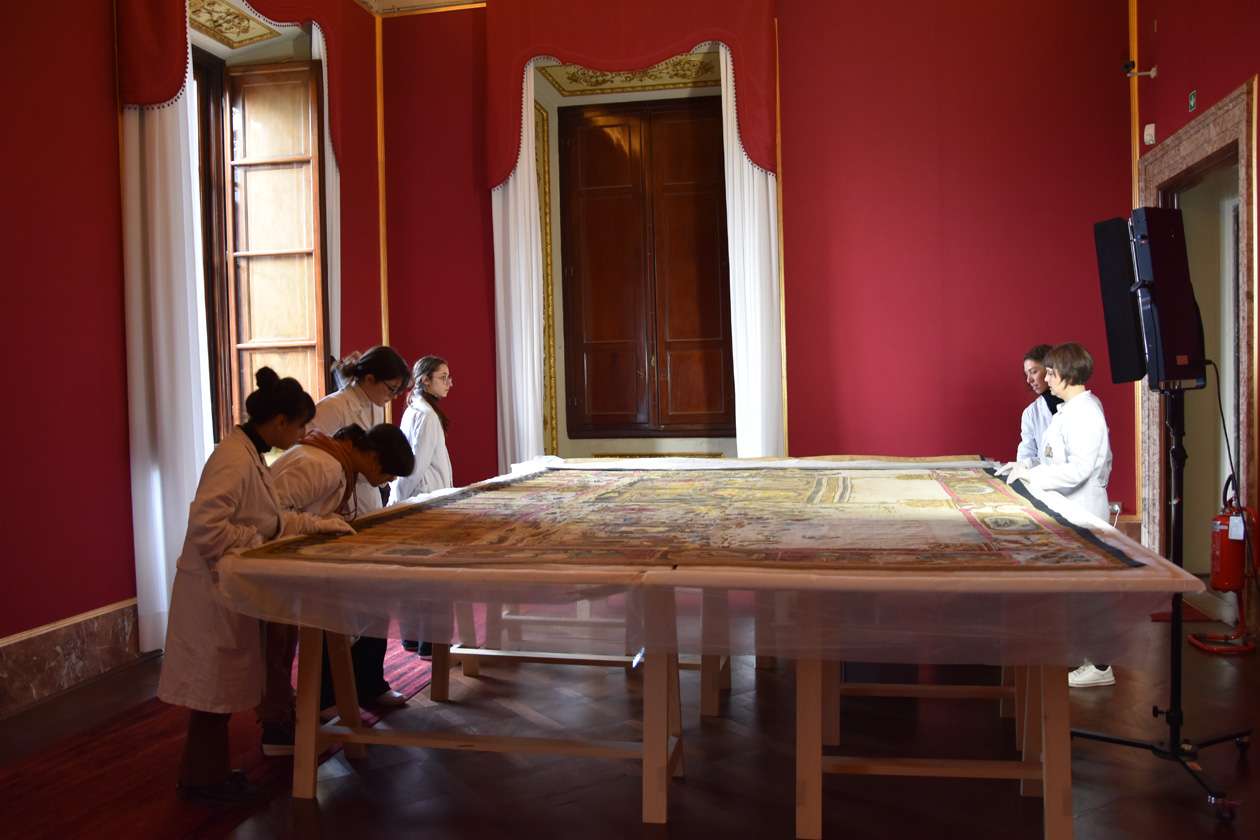
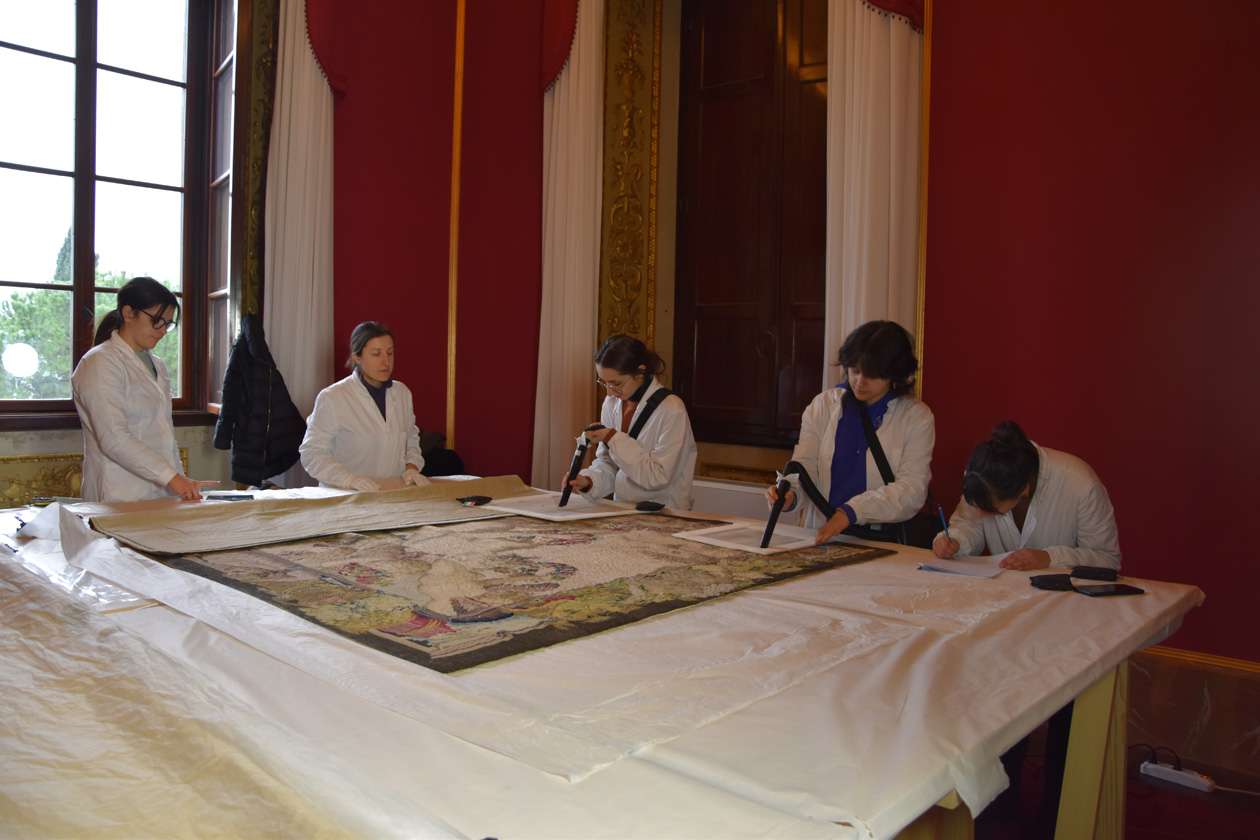
In order to acquire a broader critical vision, the laboratory program also includes technical-practical site experiences, carried out in important public and private institutions, in the field of safeguard and valorisation, aimed at the study of preventive and planned conservation of collections, diagnostic investigations concerning materials and techniques and permanent or temporary exhibition system – fundamental topics for an in-depth study of conservation issues and in dealing with complex operational aspects.