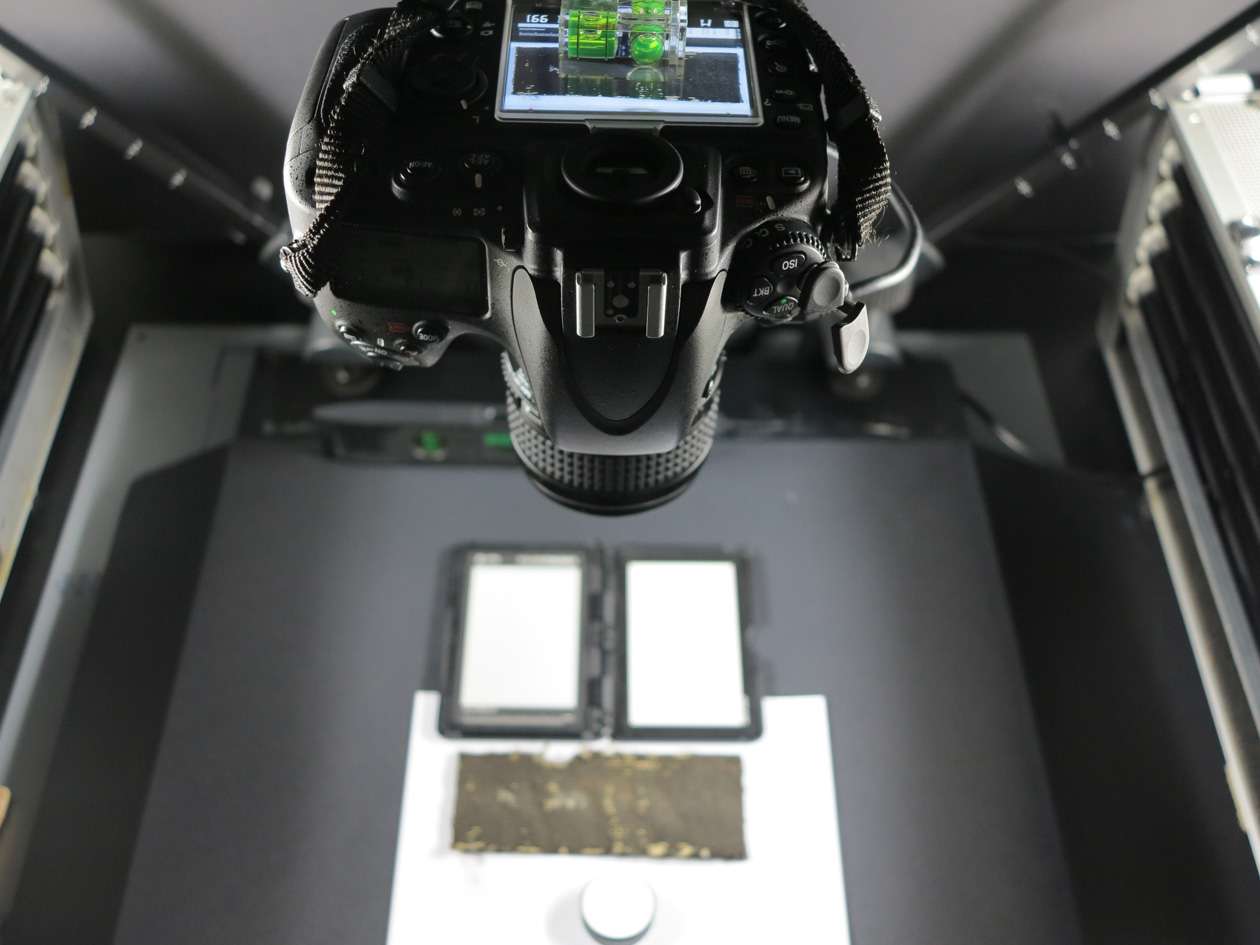
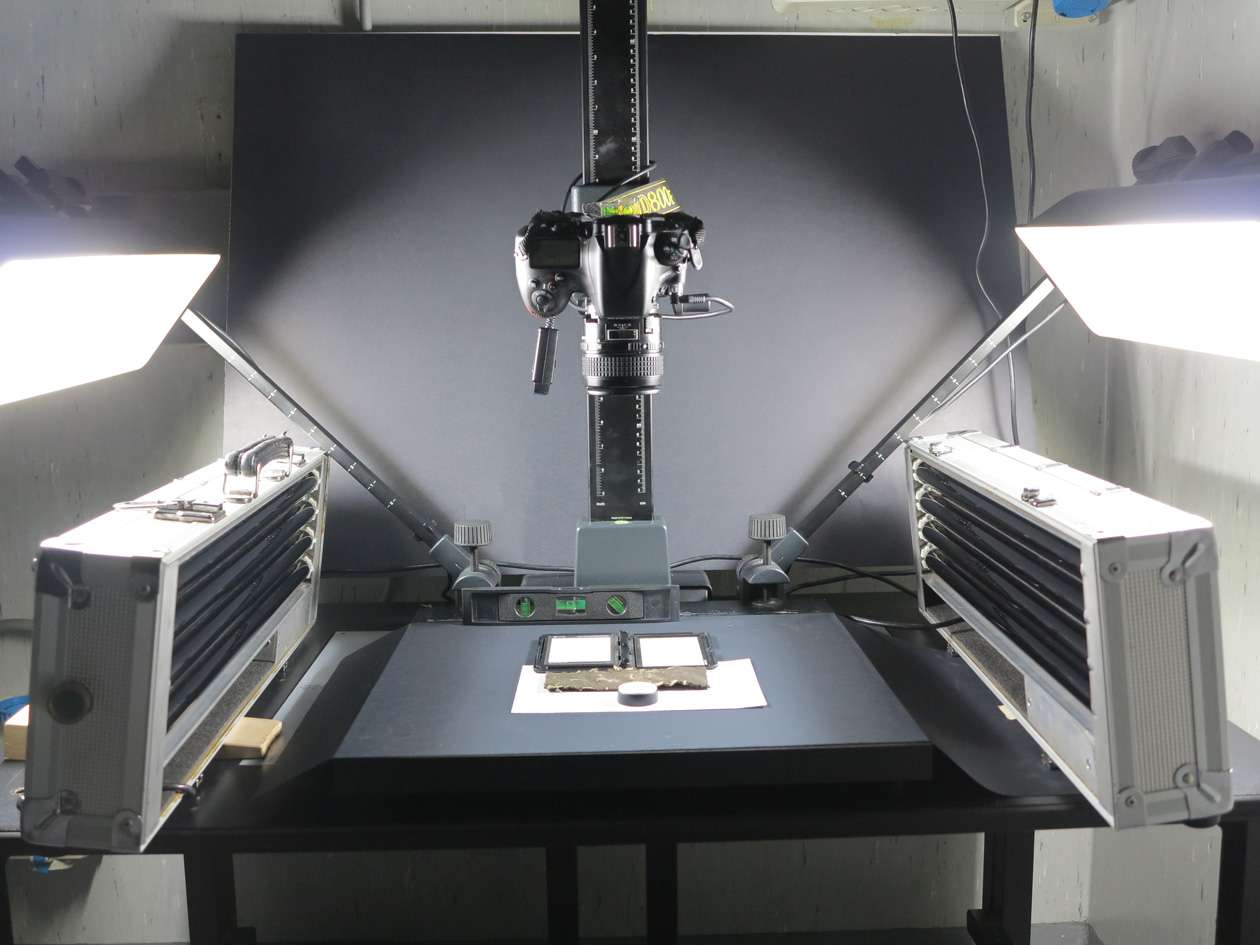
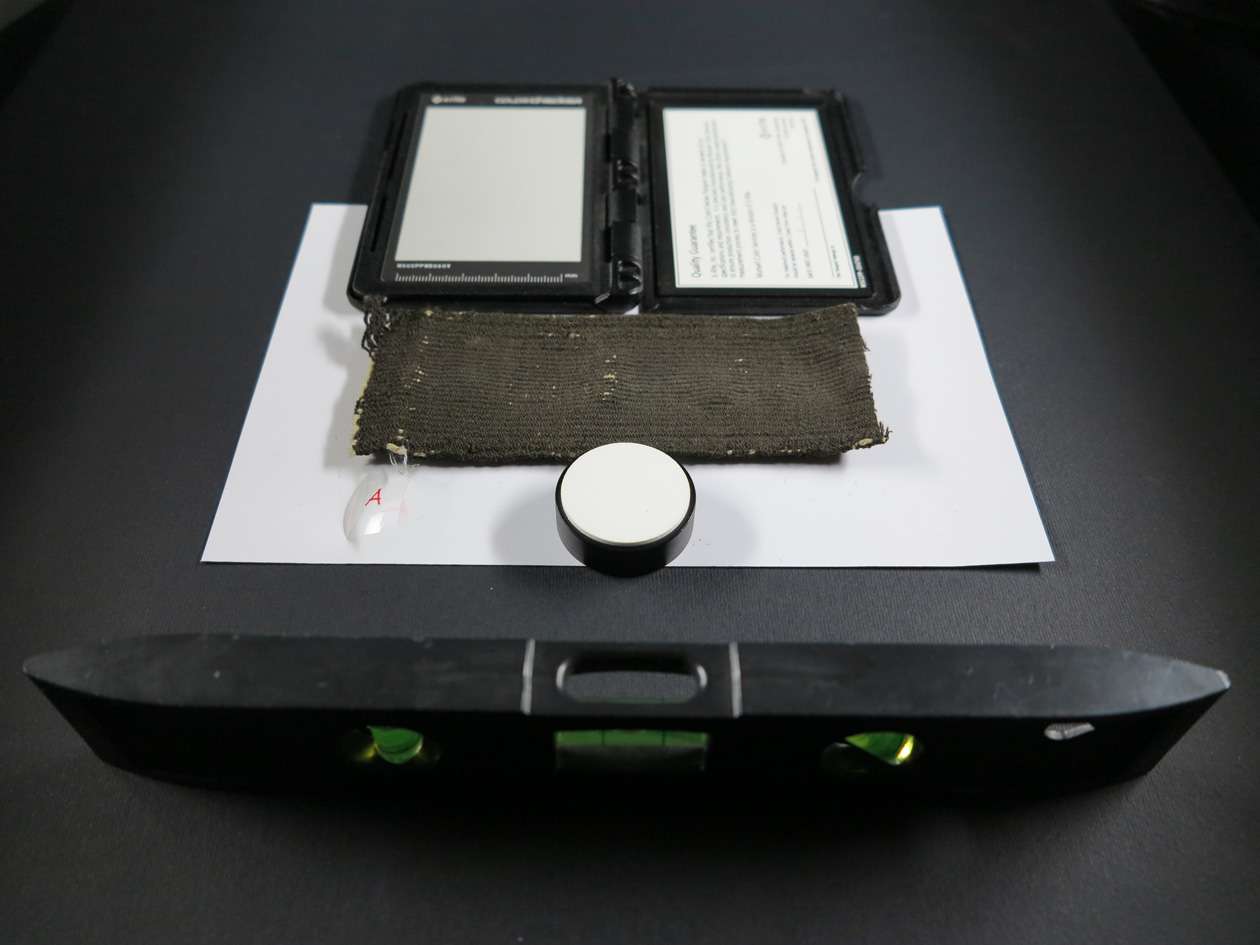
The Laboratory
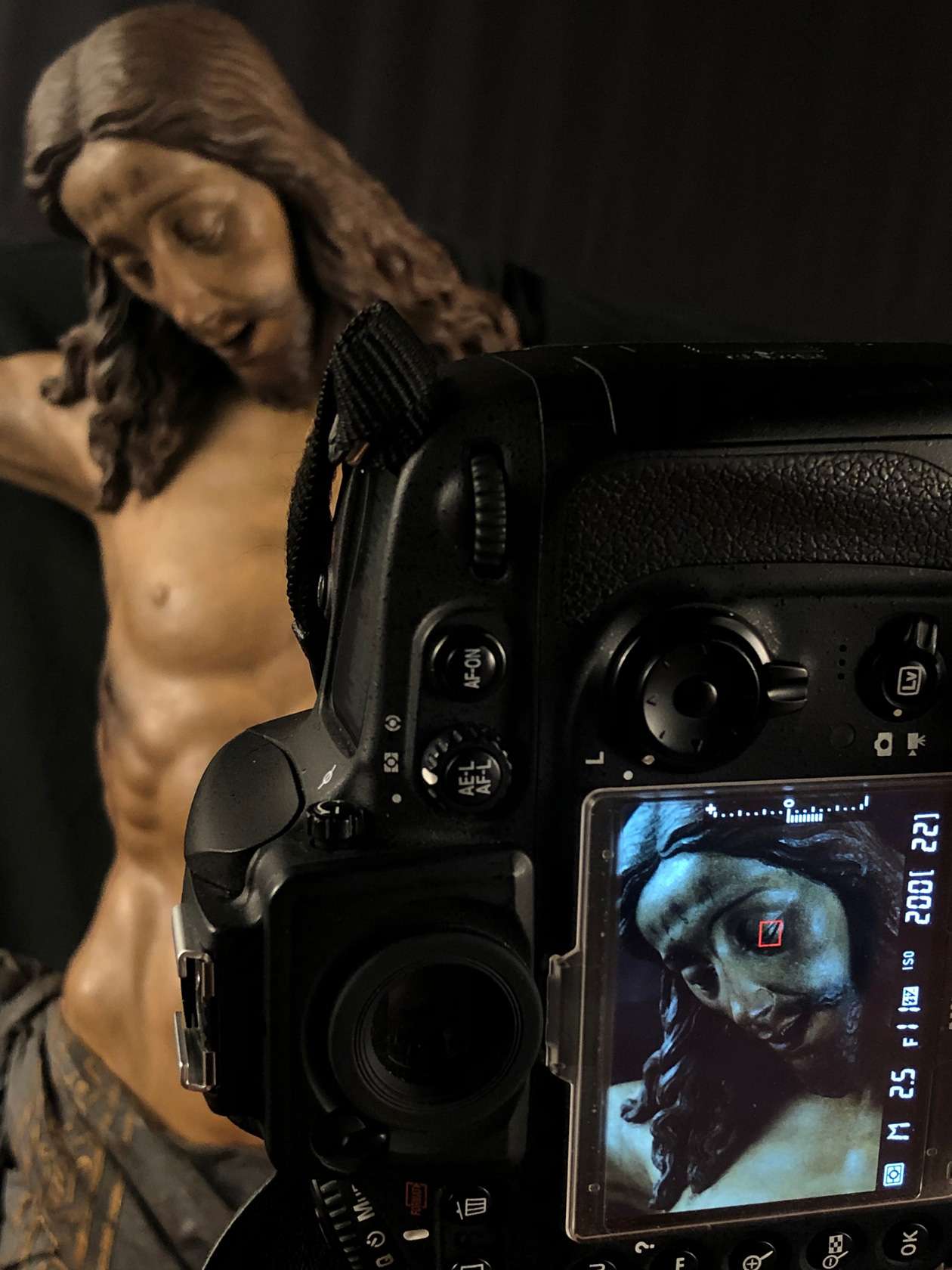
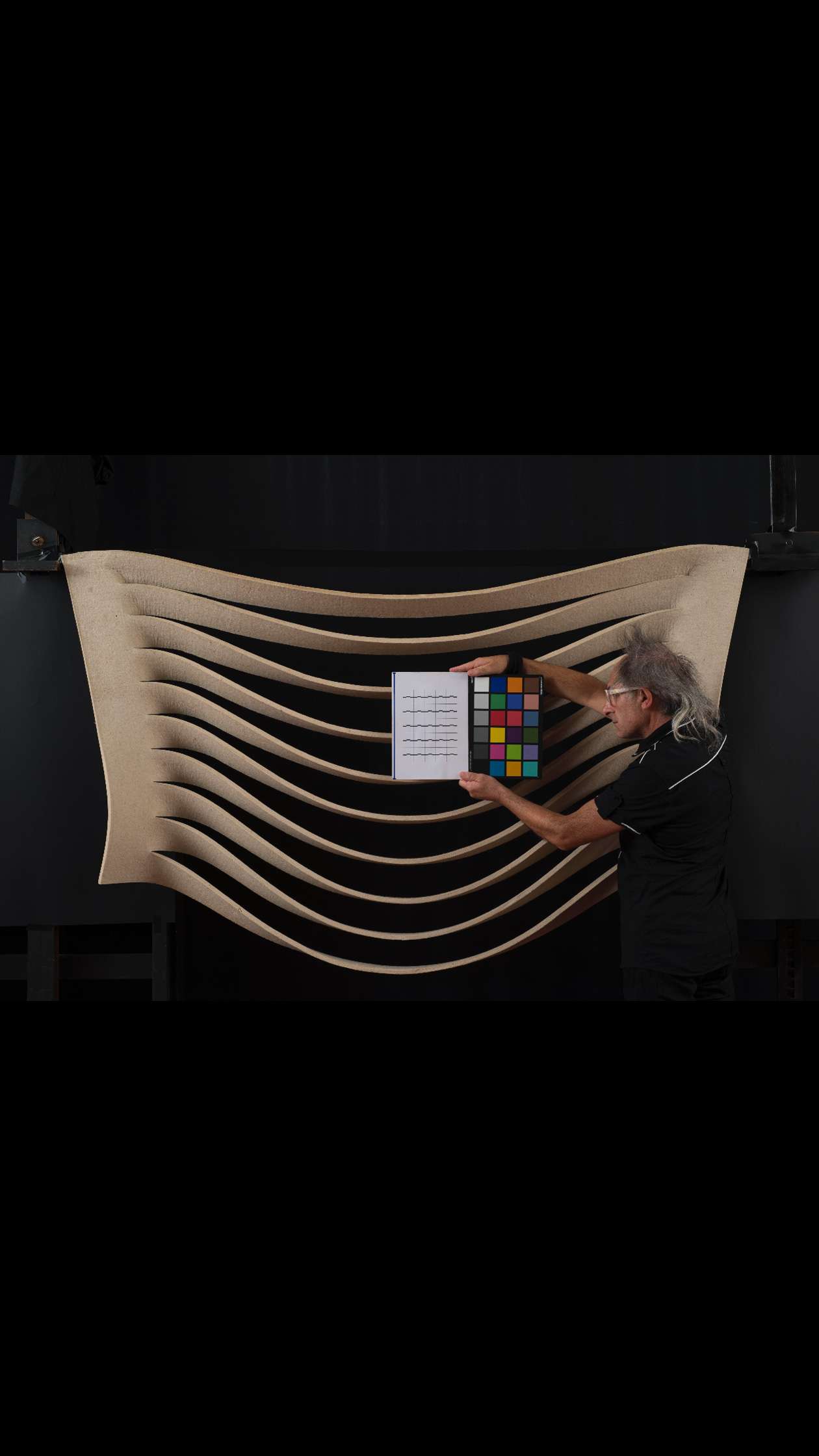
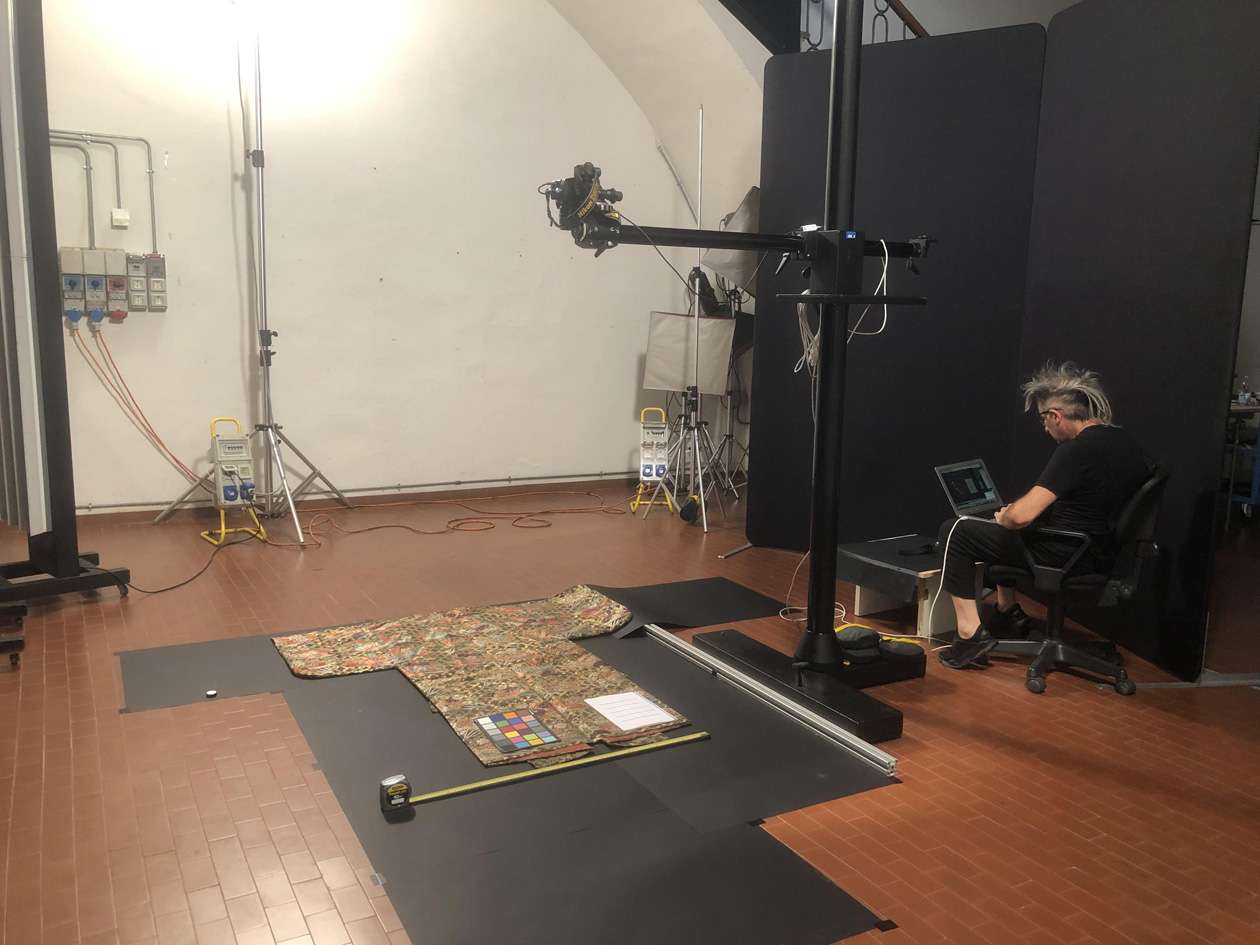
In the field of restoration, photographic documentation is not the mere reproduction of the artwork, consisting rather of a series of images of the artefact in various phases of the intervention, using the most appropriate techniques to reveal its artistic technique, constituent materials and conservation conditions. In this sequence, images that justify the choices and the steps taken during restoration are documented, before, during and after the intervention.
Today ‘photography’ includes, further to images obtained with a traditional camera, also images acquired by means of opto-electronic systems (point and line scanners, CCD cameras in different spectral bands, etc.) capable of attaining images and potentiating traditional photographic systems with digital data processing.
Taking photos of the artwork before and during the restoration phases allows to document the artistic technique and constituent materials of the artefact as well as its conditions. The main operations and methodologies applied throughout the conservation process are also documented.
The documentation includes visible light imaging and other images obtained with various filming techniques for multispectral diagnostics, which let registering these aspects.
These include:
- Raking light photography;
- Macro and microphotography;
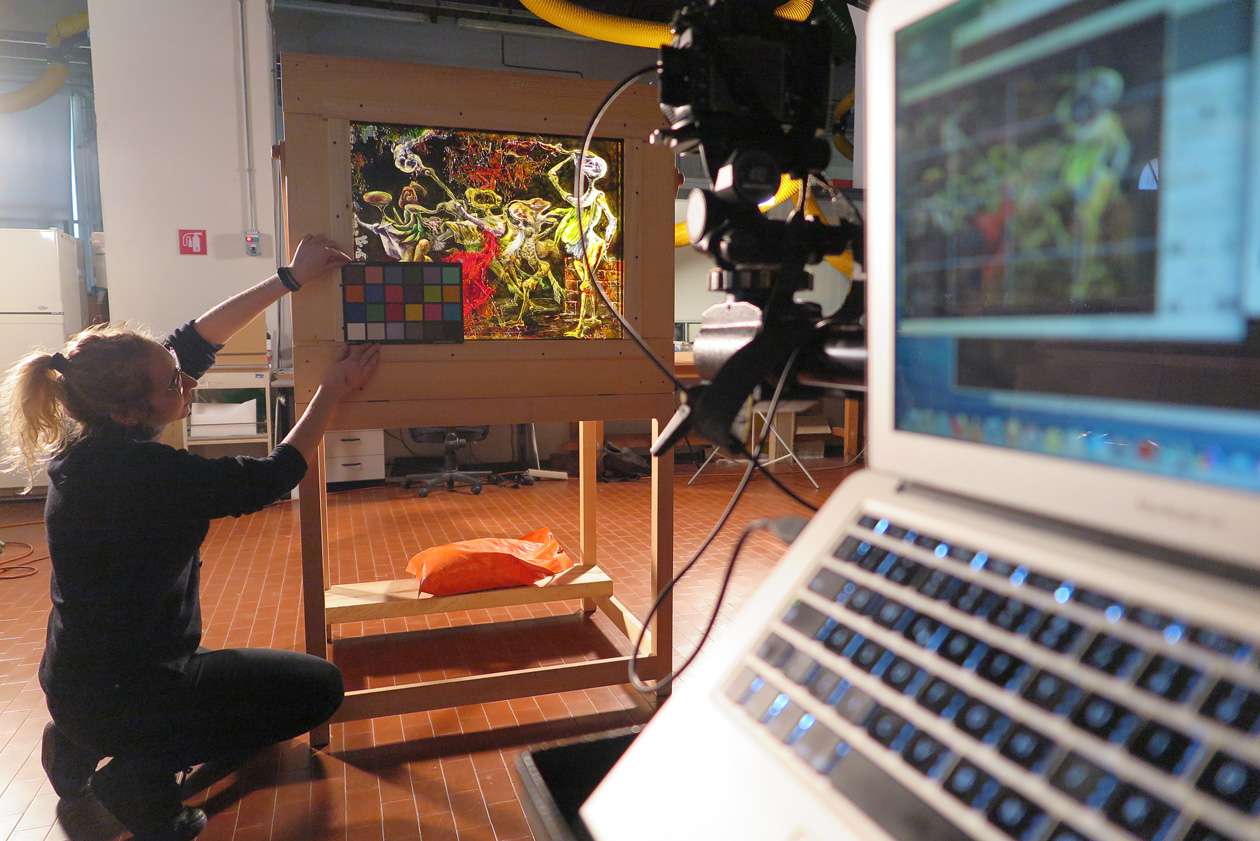
- Transillumination and trans-irradiation;
- Infrared black and white and false colour photography;
- Ultraviolet fluorescence photography;
- UV-reflection and UV in false colour;
- HDR;
- Photogrammetry.